

How a 30-Day Art Challenge Transformed My Creative Practice
Discover how setting a simple creative challenge helped me develop new ideas, embrace abstraction and strengthen my digital photomontage practice. Whether you’re an artist, photographer or simply looking to reconnect with your creativity, these lessons can help you build momentum in your own work.
Why Set Yourself an Art Challenge?
Creative practice naturally moves through periods of momentum and uncertainty. Sometimes ideas flow effortlessly, while at other times it can feel difficult to know what to create next. Rather than waiting for inspiration to appear, I have found that setting myself a personal art challenge is one of the best ways to move forward.
As a contemporary landscape artist working in digital photomontage, I often spend weeks or even months developing a single artwork, which I then exhibit as limited edition seascape and landscape prints. However, stepping away from the pressure of creating finished pieces allows me to experiment more freely. An art challenge creates permission to play, take risks and follow unexpected ideas without worrying about the outcome.
Unlike many online challenges, your project doesn’t have to follow someone else’s rules. In fact, creating your own challenge means you can explore exactly what your work needs at that moment. Sometimes that might be improving your photography, experimenting with colour or composition, or simply developing a regular creative habit.
For me, this challenge became the starting point for a completely new direction in my work.
Recognising When It’s Time for a New Challenge
An art challenge can begin whenever you feel your creativity needs fresh energy.
Perhaps you’ve just completed a body of work and aren’t sure where to go next. Maybe you’ve been creating similar pieces for some time and feel ready to experiment. Equally, you may simply want to reconnect with making after a busy period.
I began my own challenge in January because it felt like a natural point to reflect and reset. Instead of setting resolutions, I chose a single word to guide my year: Connection.
Towards the end of the previous year I realised I had lost some of the excitement I usually felt when making work. Rather than forcing new ideas, I wanted to rebuild my relationship with the creative process itself. Looking back, choosing a simple theme rather than a detailed plan gave me enough direction while leaving plenty of room for discovery.
Choosing a Challenge That Fits Your Creative Practice
Before deciding what to do each day, spend a little time thinking about what you hope to gain.
Your challenge might focus on:
- exploring colour or composition
- improving your photography
- keeping a sketchbook
- experimenting with abstraction
- developing digital photomontage techniques
- drawing every day
- finding inspiration outdoors
- building a sustainable creative routine
The most successful challenges are often surprisingly simple.
Rather than creating work for social media or trying to impress other people, choose something that genuinely excites your curiosity. The goal isn’t to produce masterpieces every day. Instead, it’s about giving yourself regular opportunities to notice, explore and learn.
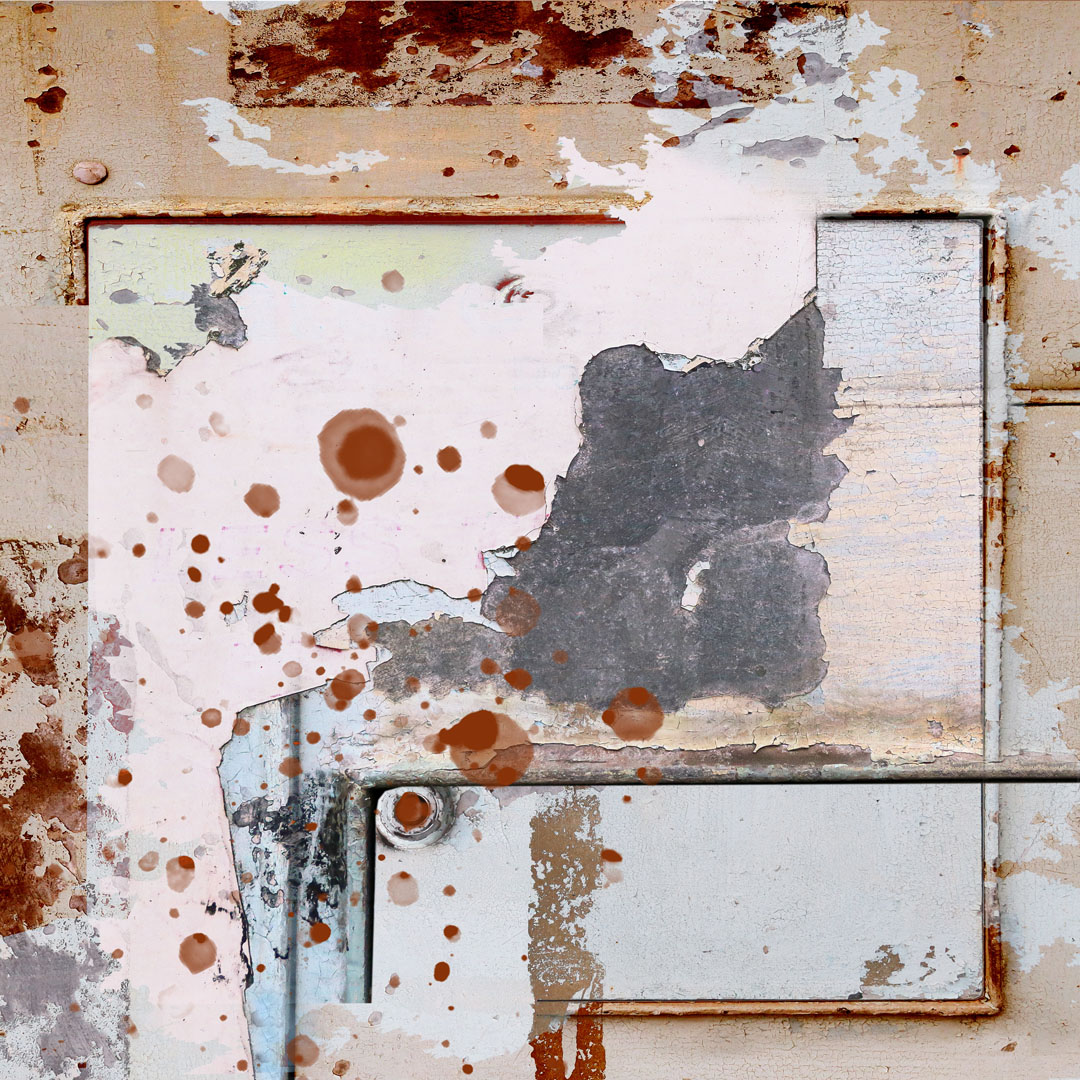
For me, the answer was abstraction, a word which I aslo explroed in a later more landscape based project
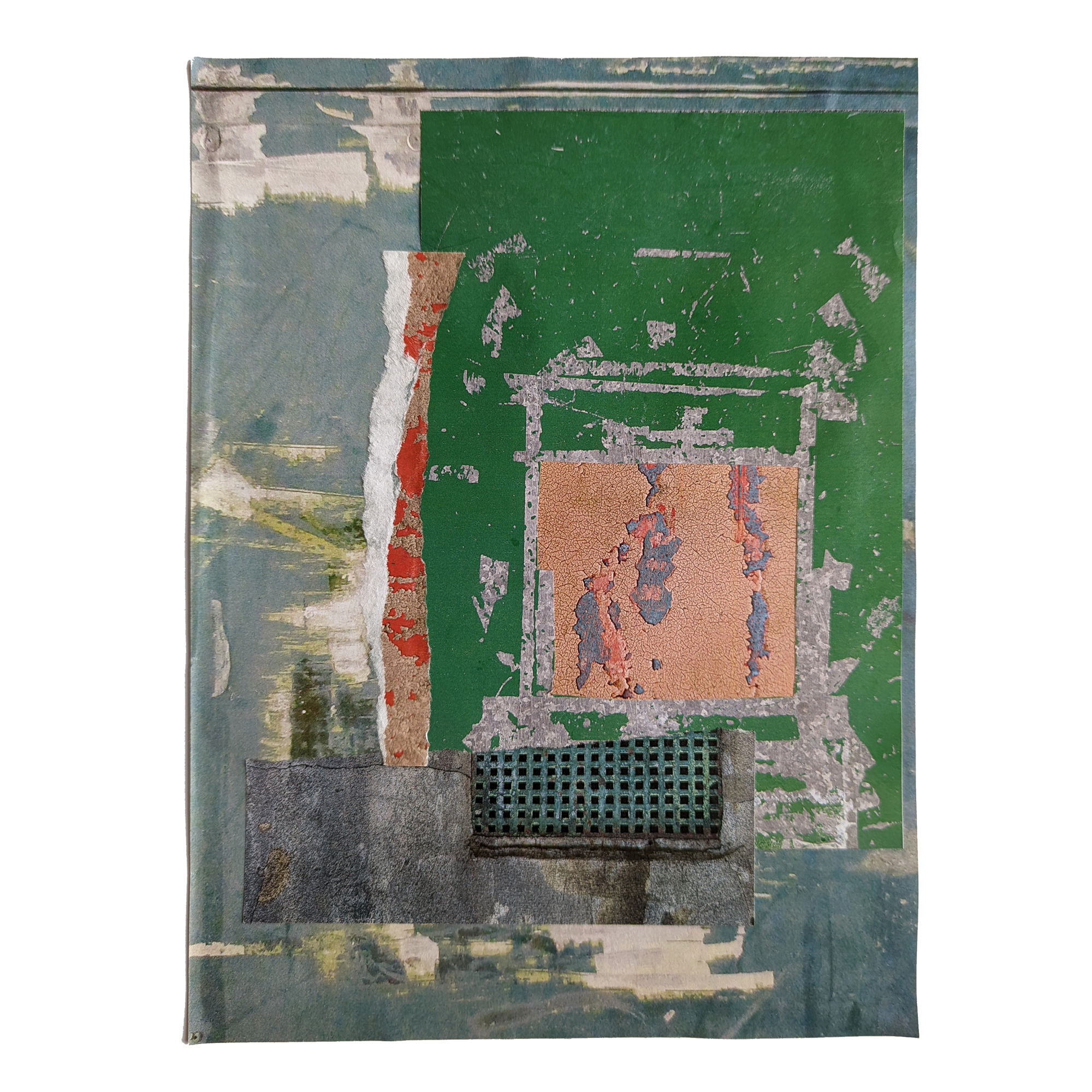
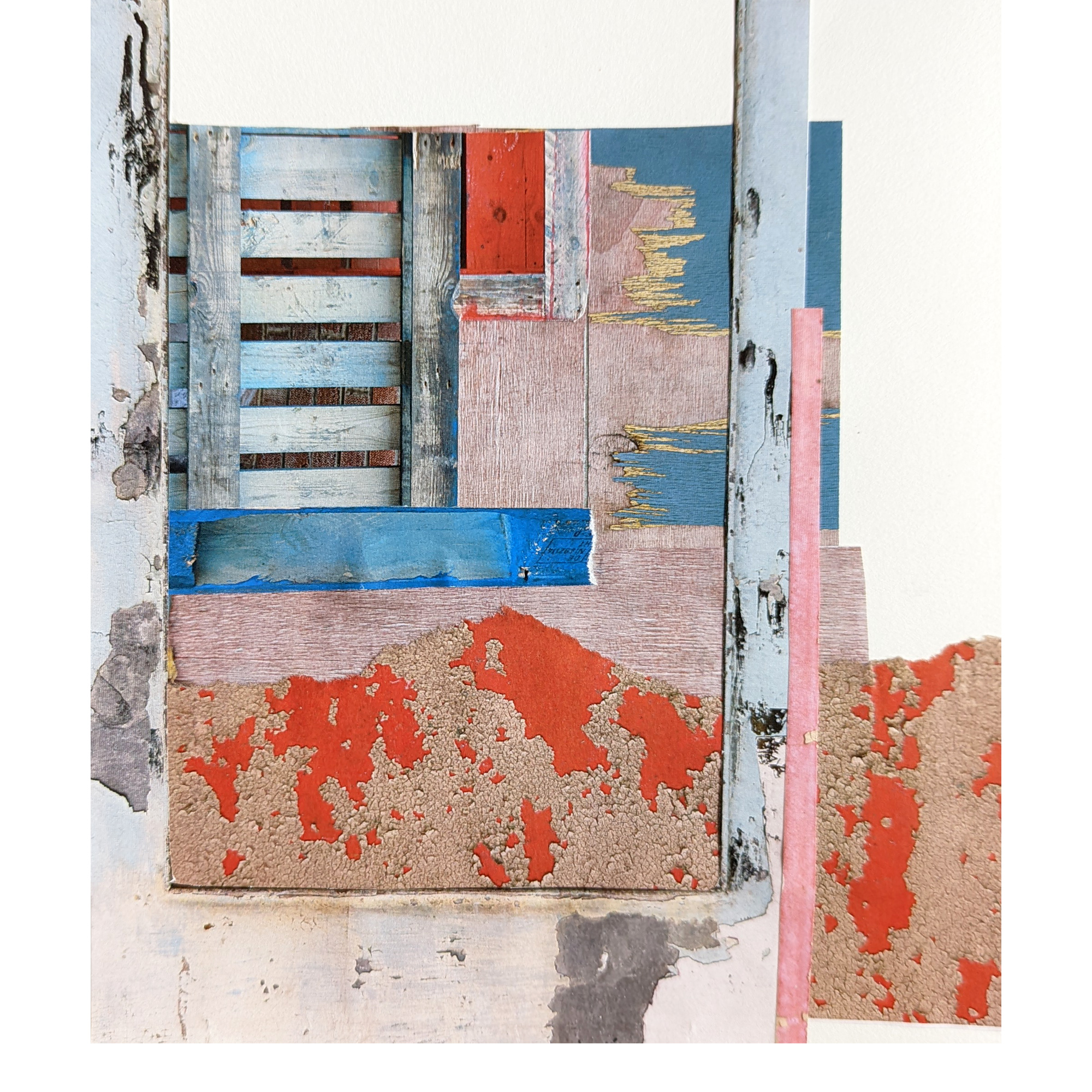
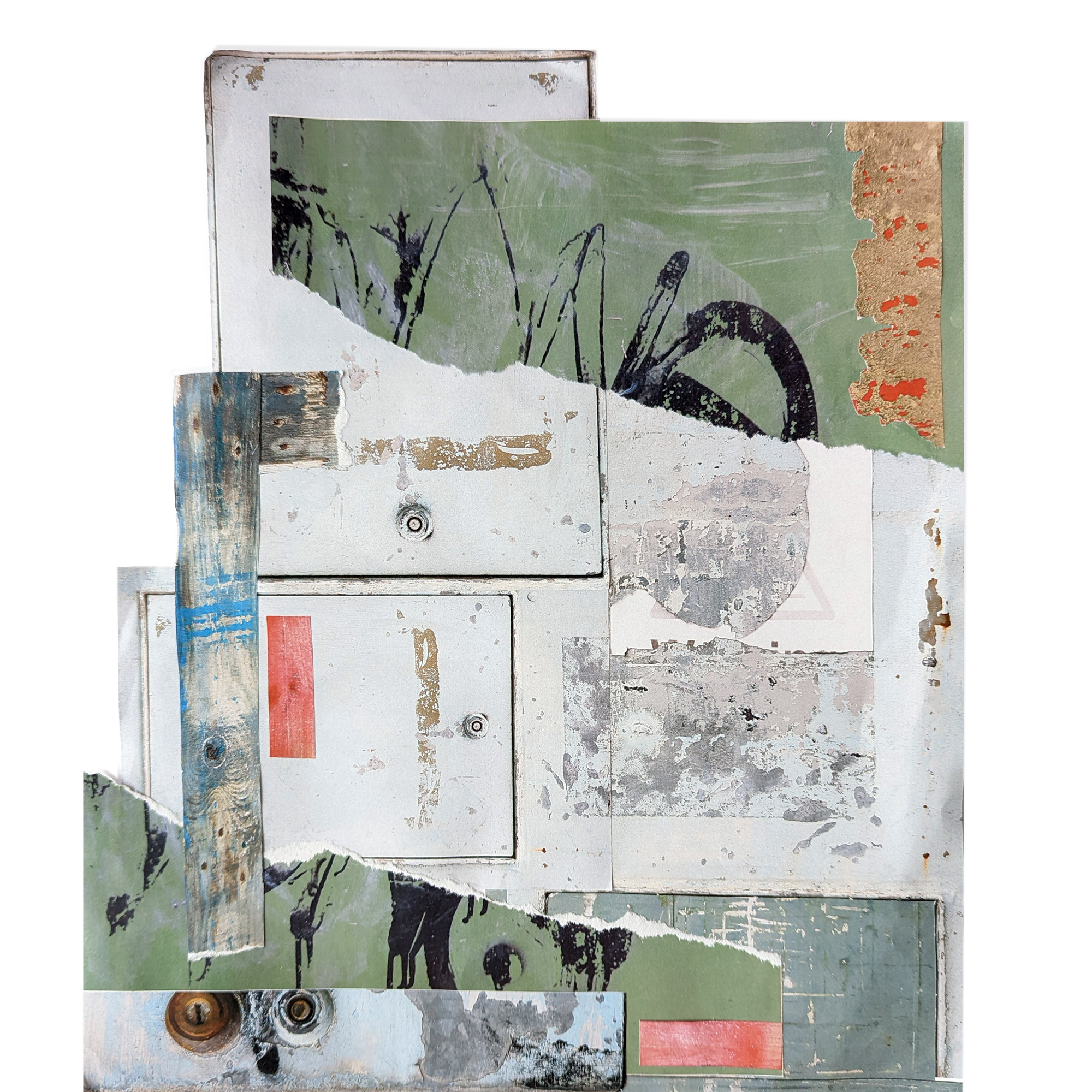
Although my landscapes had gradually become more simplified over the years, I hadn’t fully committed to exploring abstract imagery. Setting myself thirty days of experimentation finally gave me permission to do exactly that.

Working Within Creative Constraints
Many artists believe they need large amounts of uninterrupted time to make meaningful work. In reality, creative practice usually has to fit around everyday life. At the time I was teaching for most of the week while balancing family life. Some days I had hours available. On others I had only a few minutes.
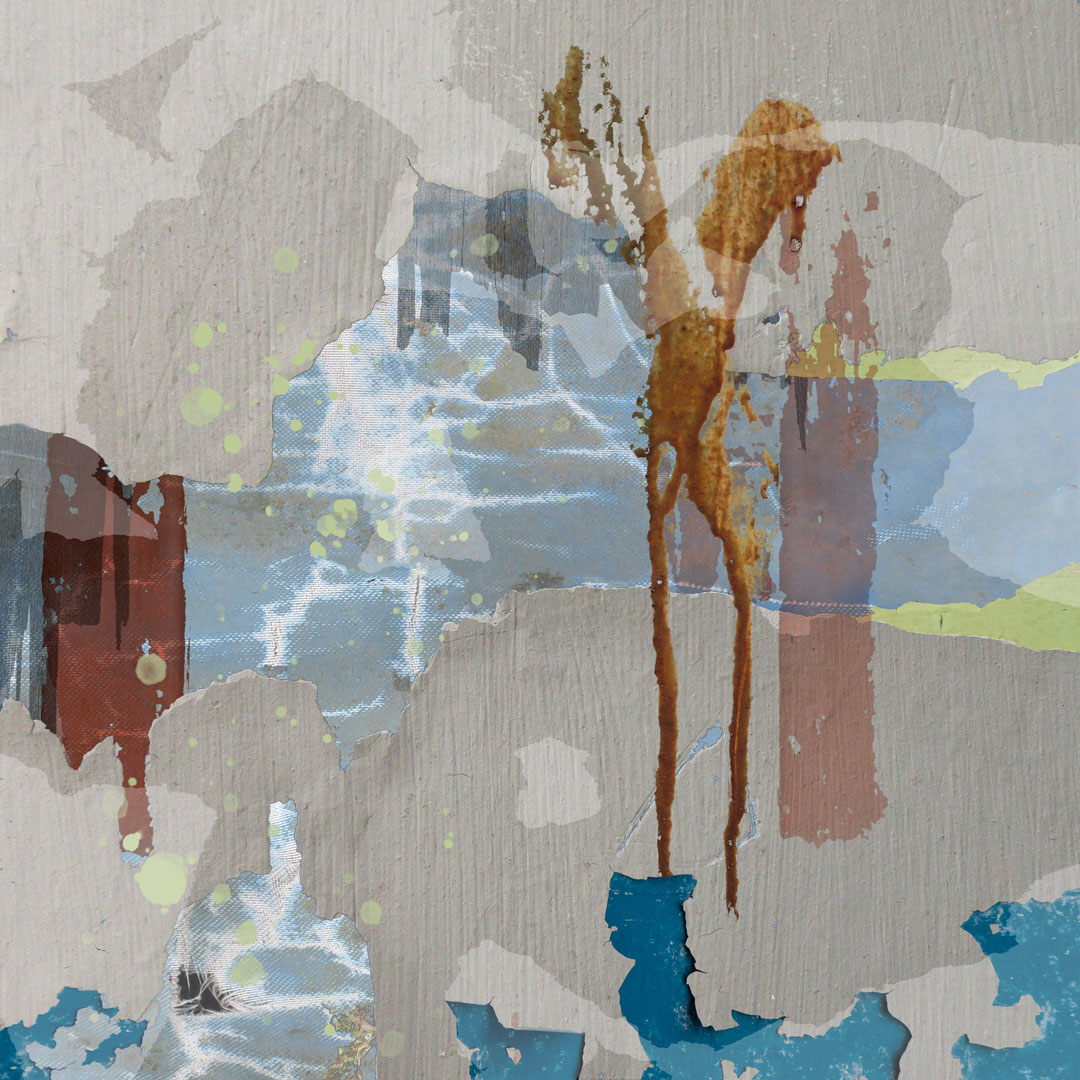
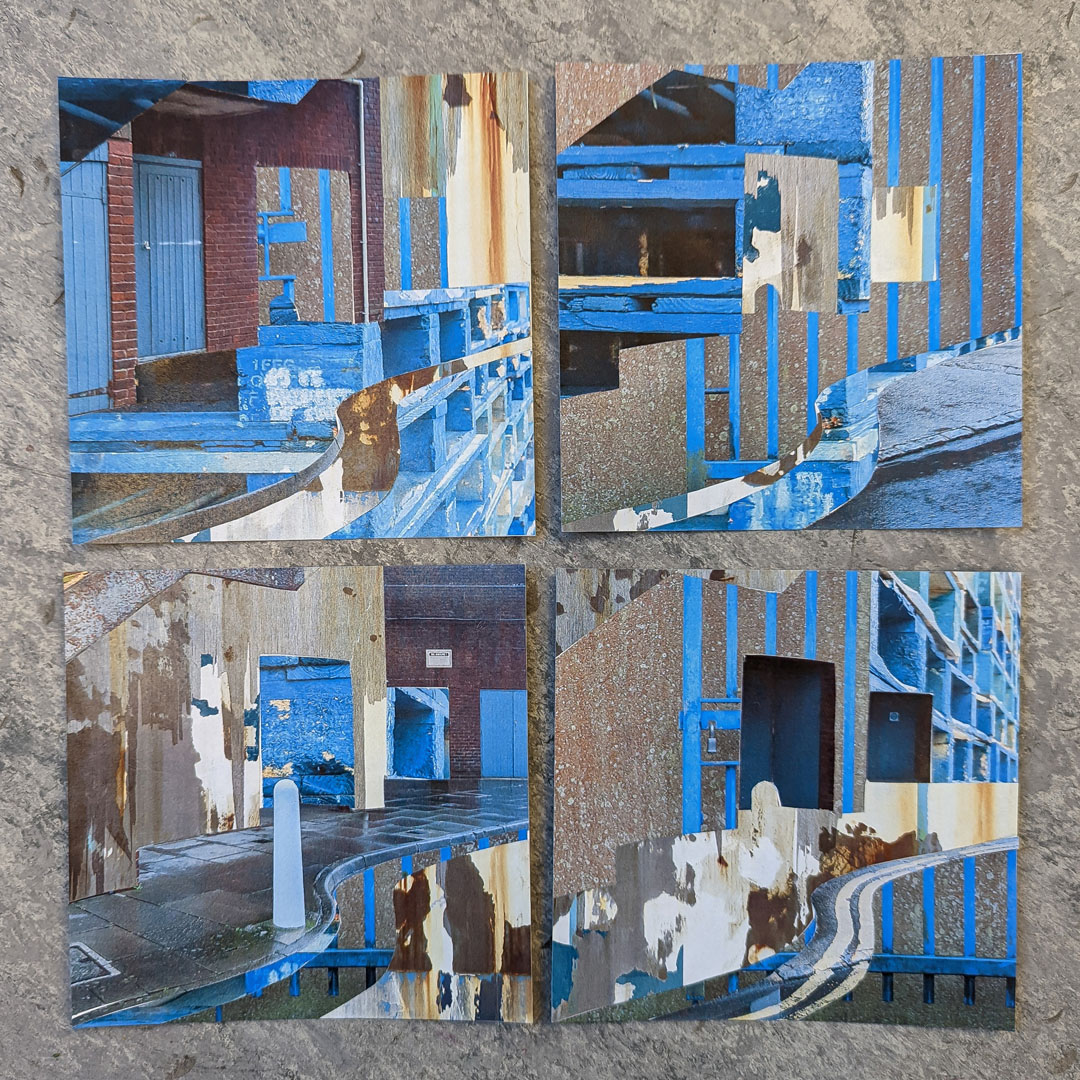
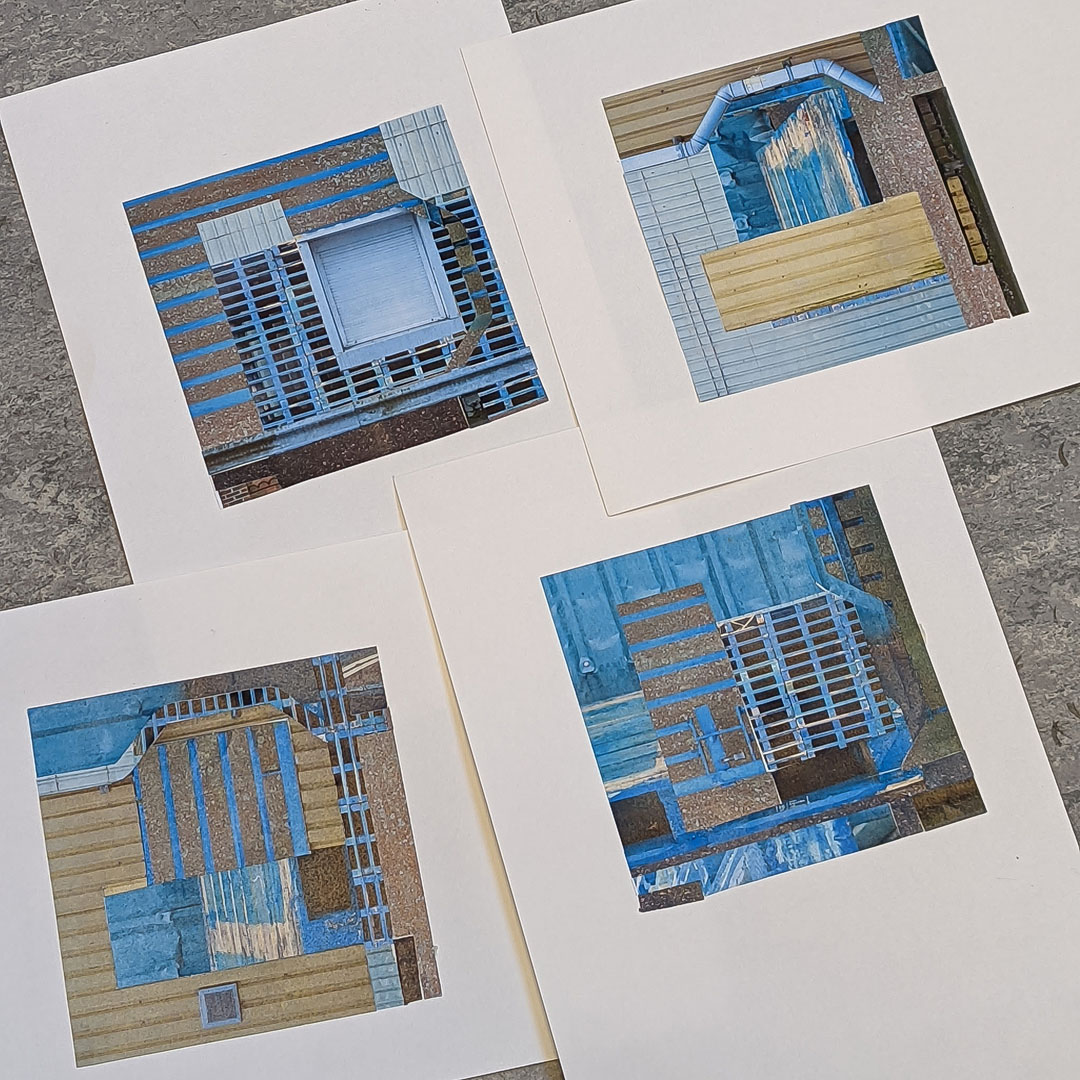
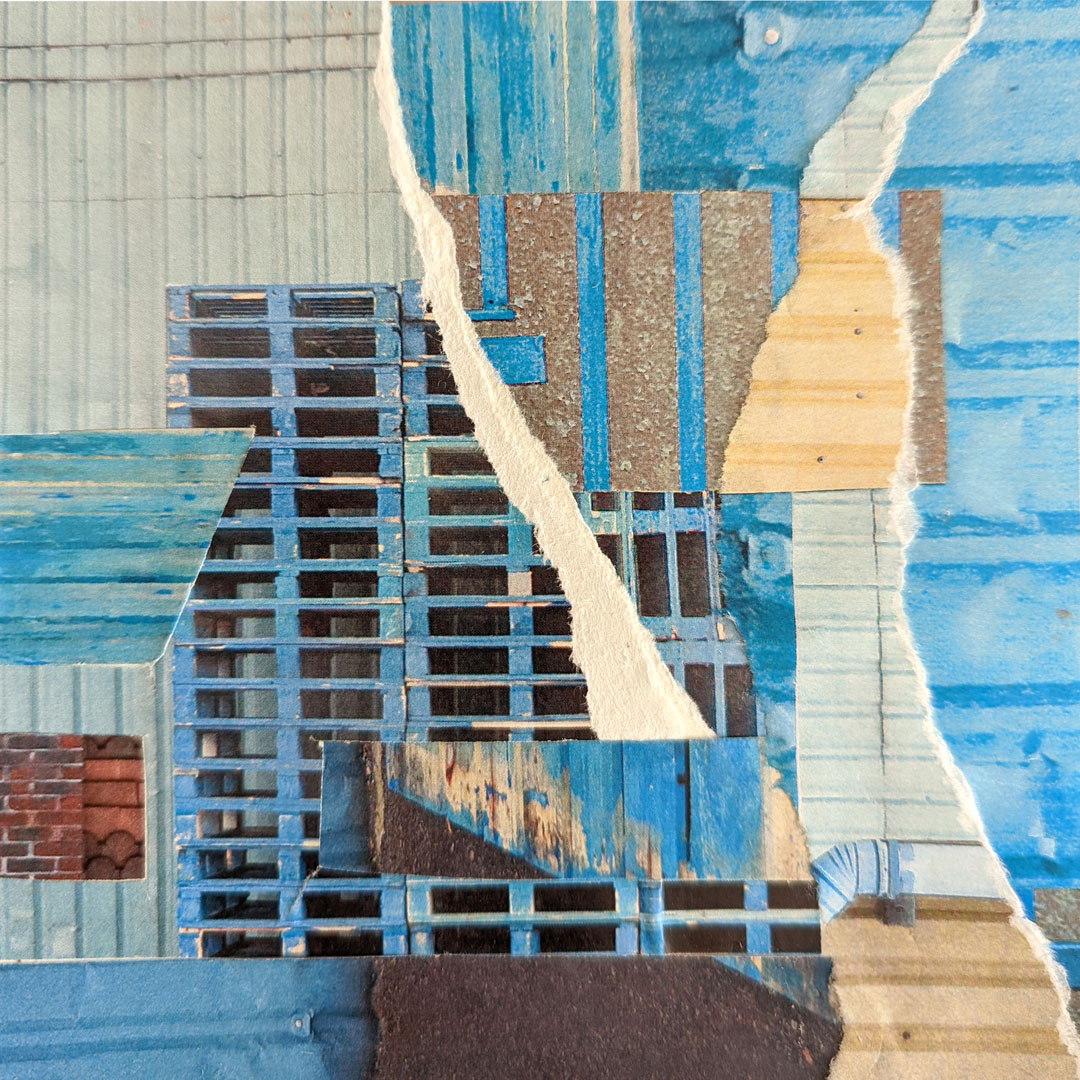
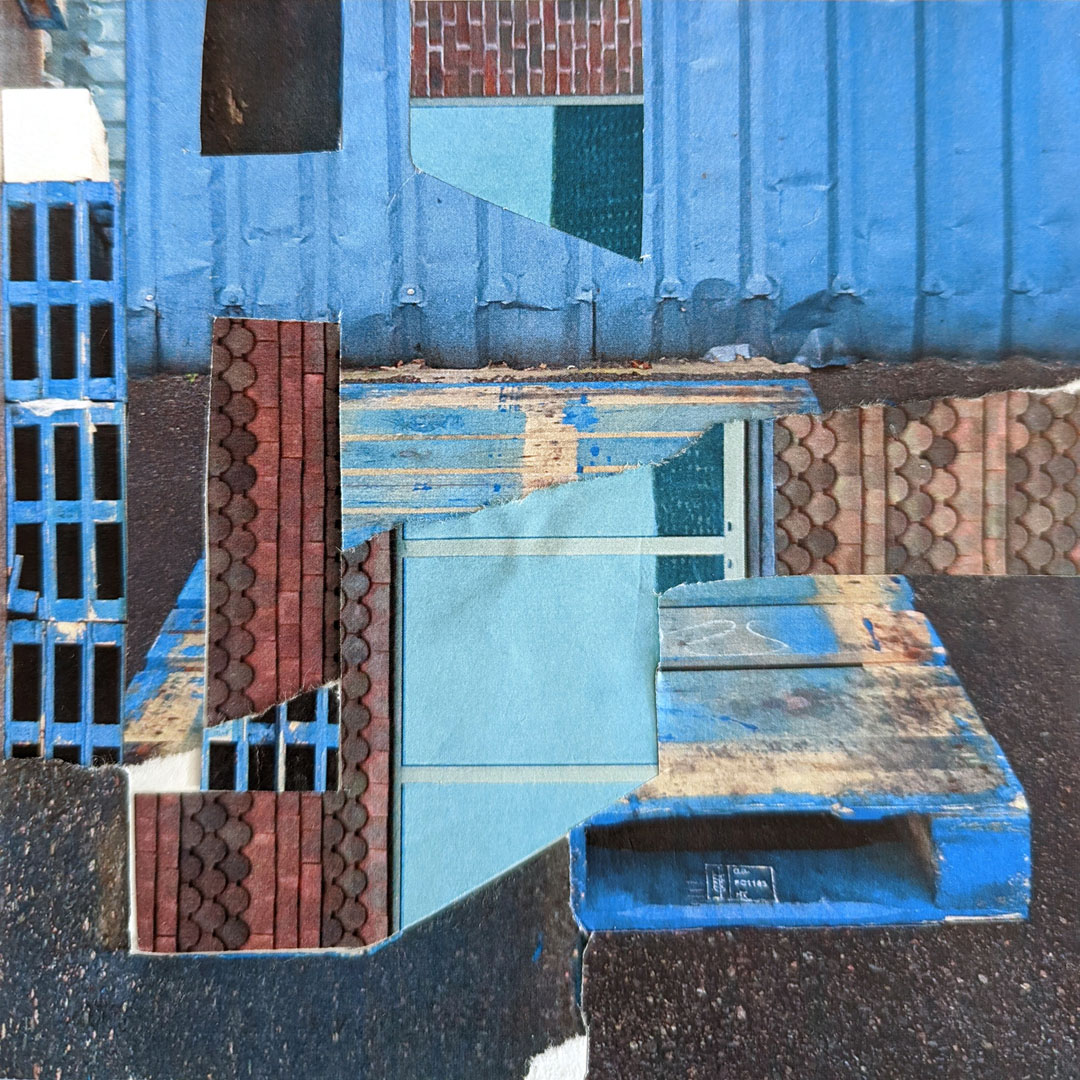
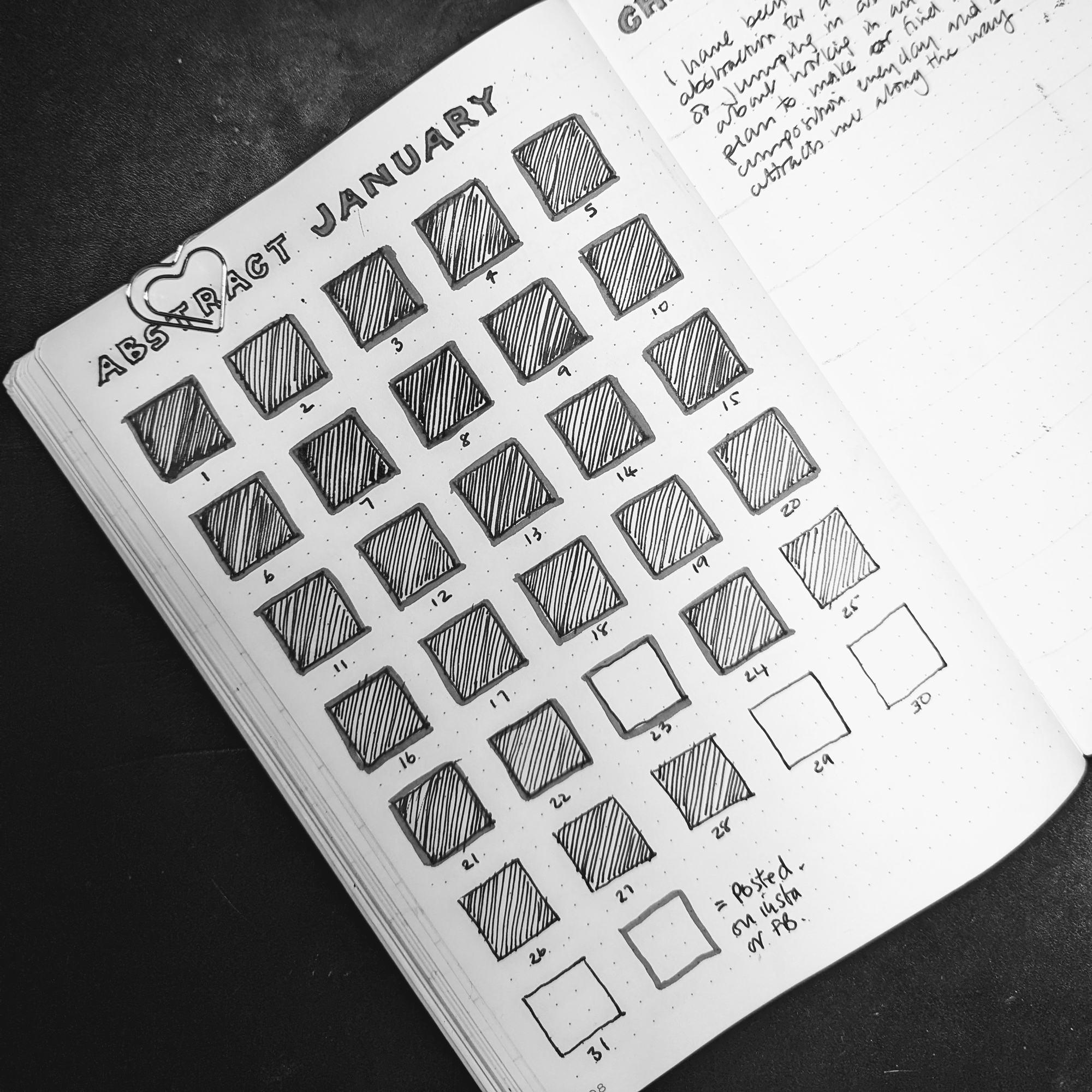
Instead of setting unrealistic expectations, I made my daily goal intentionally small. Each day I would either create an abstract digital photomontage or take one photograph that explored abstraction.
That flexibility made all the difference. If I had plenty of time, I could immerse myself in making artwork. When life became busy, simply taking one thoughtful photograph allowed me to maintain a connection with the project. Small, achievable goals build consistency far more effectively than ambitious plans that quickly become overwhelming.
HOW WILL YOU GO ABOUT YOUR ART CHALLENGE?
Just start.
The first piece of work will feel lonely. However, as you add to it day by day, you will see how your project is starting to develop. You will build momentum and gain a sense of direction. If it is your own project trust what you want to do next rather than following a prescriptive list.
Rather than pre-planning a list of things to do, I found having a list of tasks that I could choose from helped me when I was stuck. Some of these tasks were quick and some more involved. What they all had in common was that I didn’t have to think too hard about them. I stuck the list on my wall and some of the tasks were as follows;
- Lay photographs out on the floor to see what connections can be made
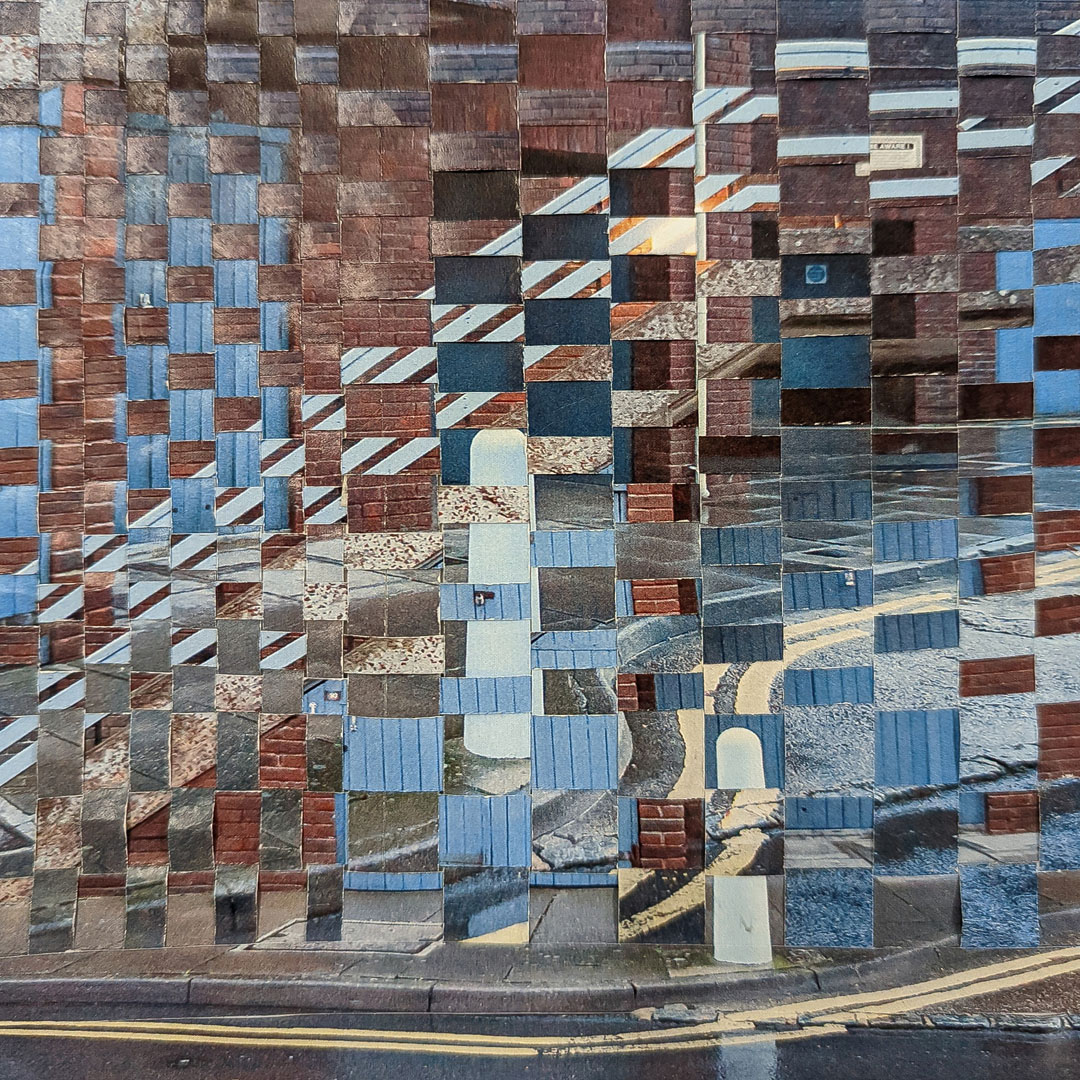
- Weave two images together
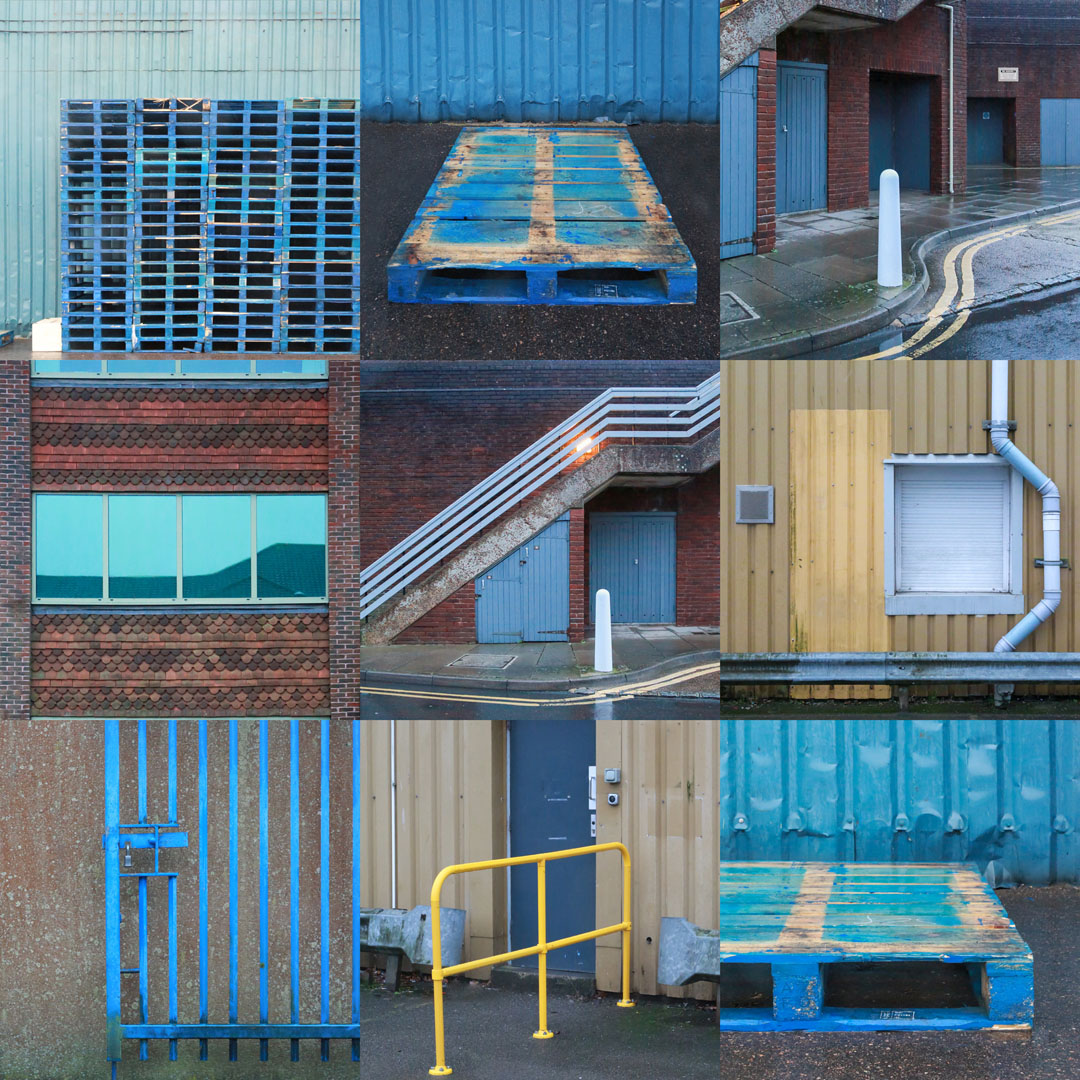
- Go on a visual research walk taking photographs of things I am drawn to
- Create a video showing part of my process
- Take an abstract photograph
- Visit an exhibition
- Create a digital version of an analog collage
- Create a digital collage in 10 minutes
- Draw on top of an abstract photograph
- Create an analog collage from photographs taken
- Document work created so far
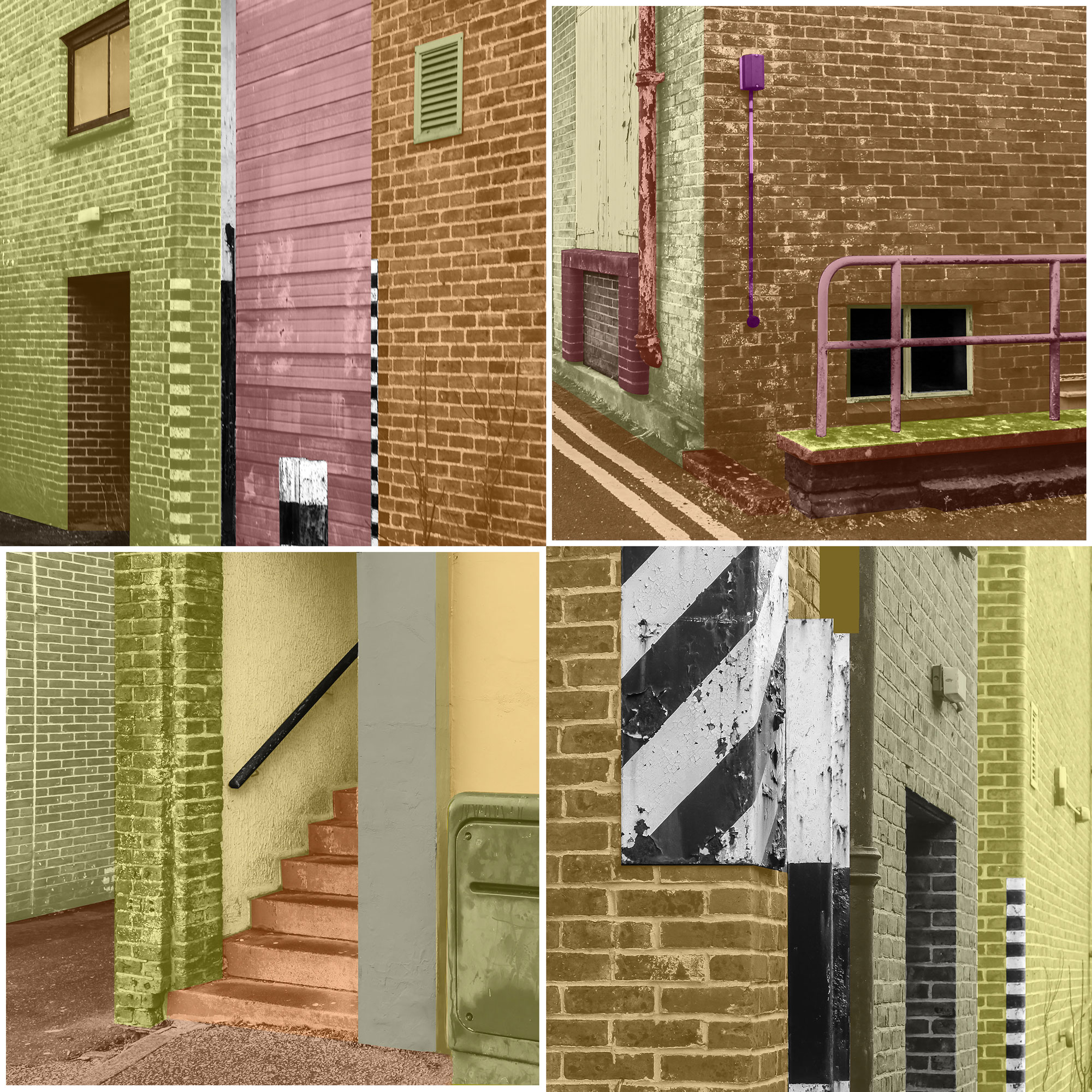
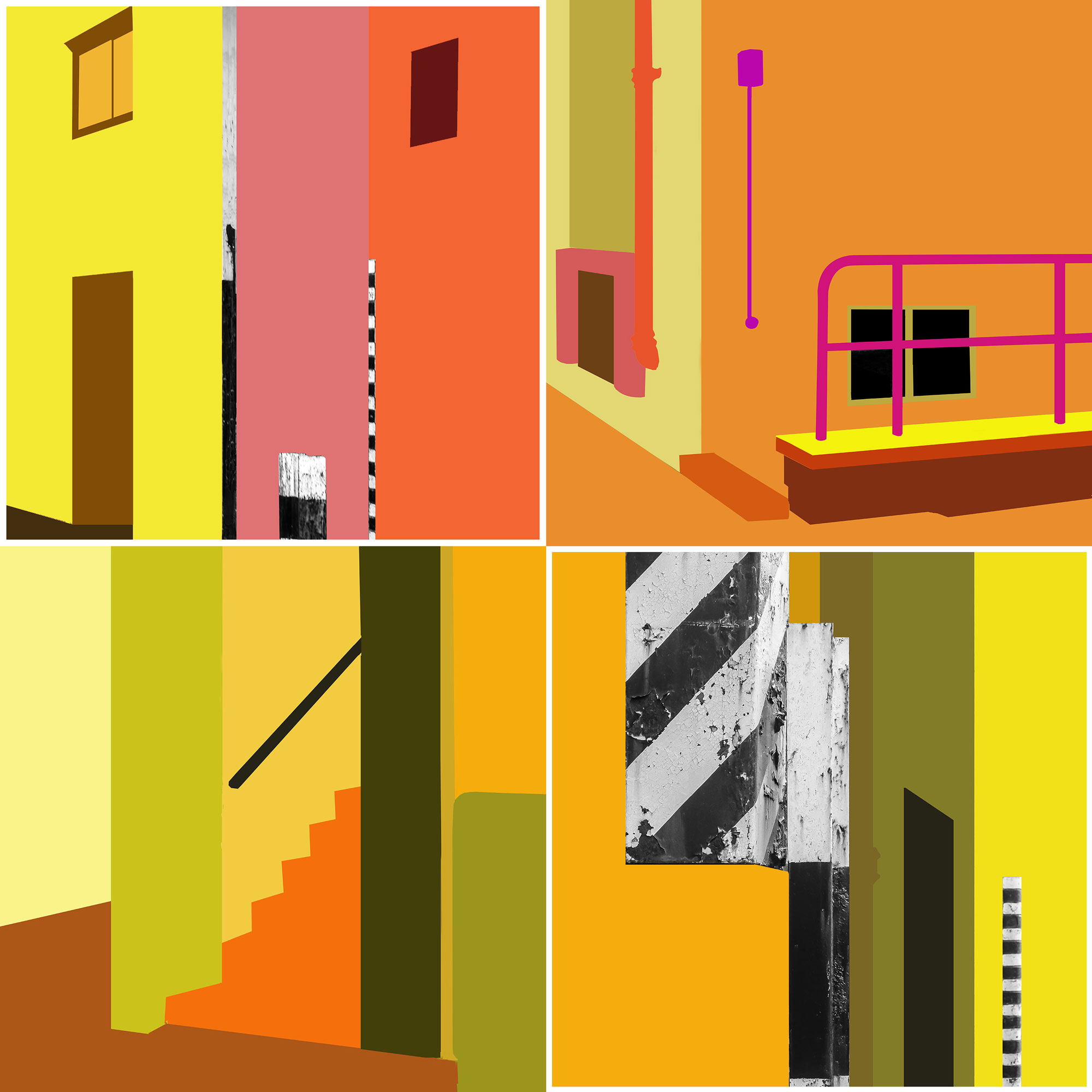

Using Photography to Find New Ideas
One lesson surprised me more than anything else.
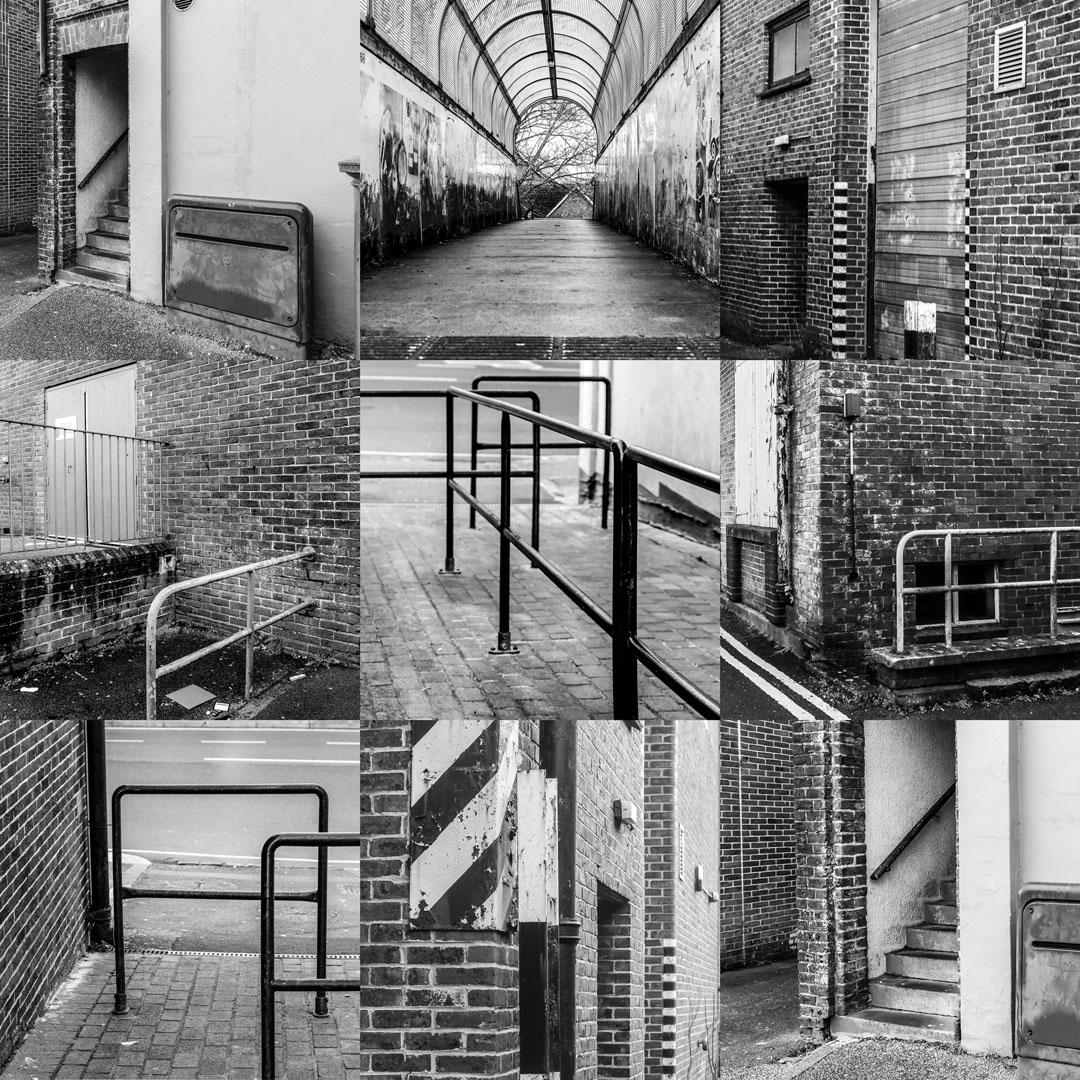
Whenever I felt creatively blocked, the answer was almost always the same: take my camera and go for a walk. As I wandered through the landscape, I stopped looking for perfect photographs and started paying attention to what naturally caught my eye. Weathered surfaces, shifting light, fragments of colour and unexpected textures all became valuable starting points.
Those photographs rarely became finished artworks on their own. Instead, they became visual building blocks that later found their place within my digital photomontage landscapes. Looking back, these walks weren’t simply about collecting images. They were about learning to notice again.
Sharing the Journey Without Losing Your Direction
Social media can be a wonderful source of encouragement during a challenge. Sharing your progress creates accountability, allows others to follow your journey and often leads to supportive conversations with fellow artists. However, it’s equally important not to let likes and comments determine your creative decisions.
Throughout my own project I tried to think of Instagram as a visual diary rather than a gallery of finished work. Some experiments succeeded, while others didn’t, but documenting both felt honest. The challenge was always about developing my creative practice, not producing content. That mindset made it much easier to stay focused on the work itself.
What My Art Challenge Changed
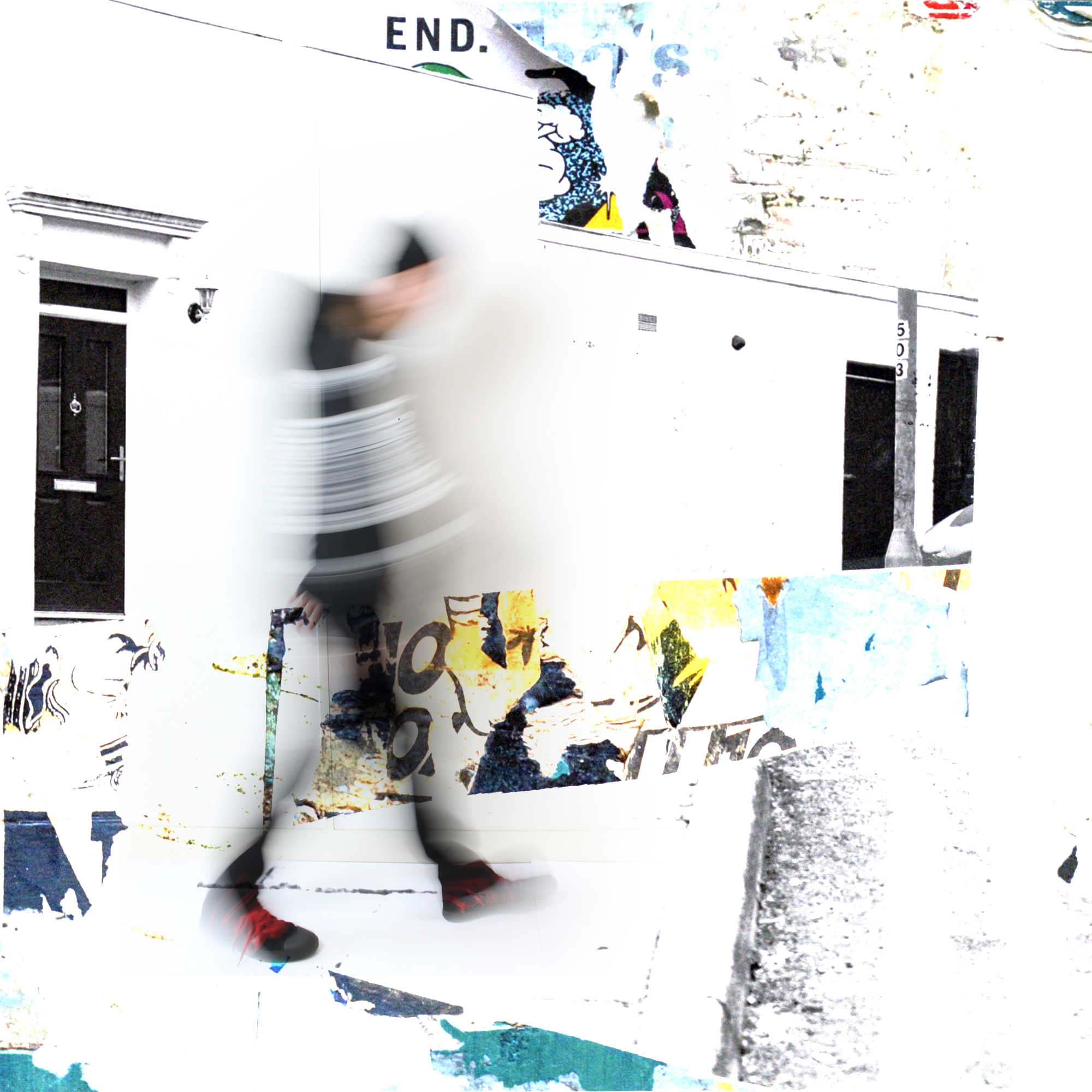
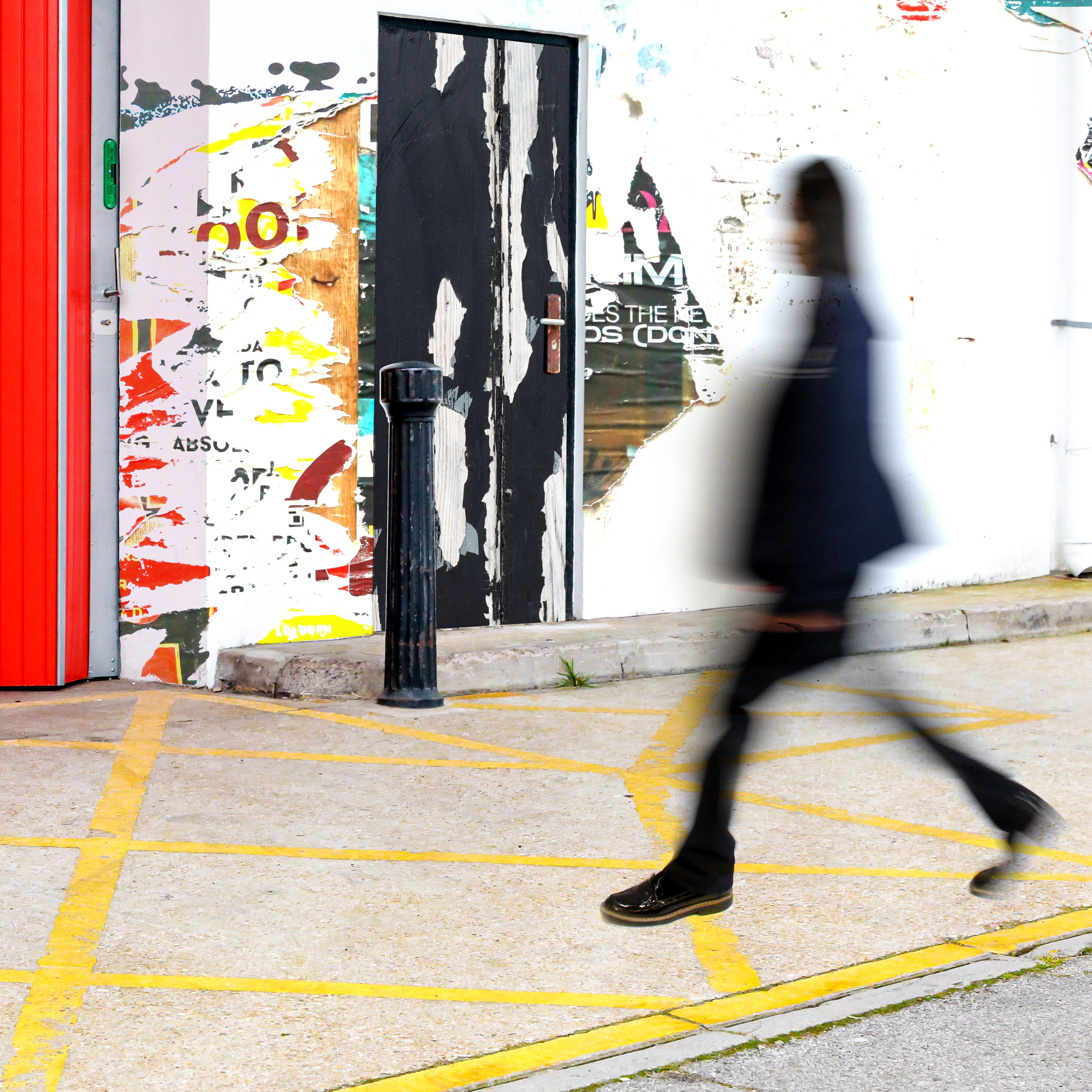
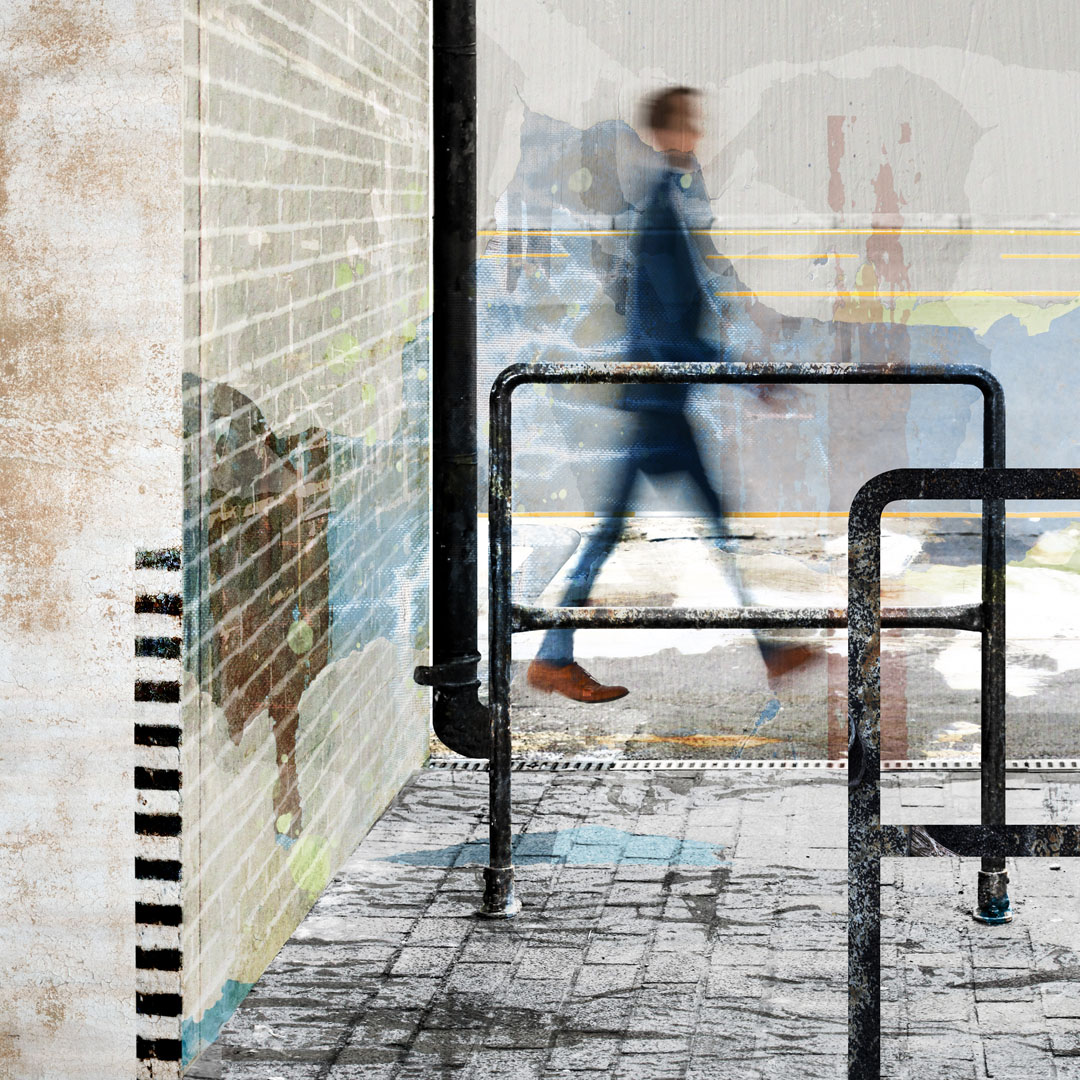
Perhaps the biggest lesson was learning to trust unexpected directions. Halfway through the project I found myself introducing figures into my abstract experiments; a theme I have now begun to explore further. It wasn’t something I had planned, yet it opened an entirely new way of thinking about my work.
That experience reminded me that creativity rarely follows a straight line. Sometimes the greatest value of an art challenge isn’t the work you make during those thirty days. It’s the ideas that continue growing long afterwards. Even today, many of the methods I use to develop my contemporary landscape and seascape prints can be traced back to that simple commitment to show up every day.
WHEN YOU GET STUCK
I found the times I got stuck in my project were equally when I felt that I had no time and when I was thinking too much. The way I got around this was just to do something with the material I had generated so far. Things like cutting it up and putting it back together or doing something basic but productive such as masking an image in photoshop worked well for me.
At other times I just started playing either on the computer or which paper and scissors and seeing what happened.
The best thing I did however was to go out and take photographs, just paying attention to what I was drawn to. This showed me where my head was at and gave me material to work with for the next few days.
10 Lessons From My 30-Day Art Challenge
- Make your daily goal small enough to achieve consistently.
- Create a list of prompts before you need them.
- Go for a walk whenever ideas begin to dry up.
- Use photography to gather visual inspiration rather than searching for finished images.
- Leave space for reflection as your project develops.
- Share your progress if it motivates you, but don’t create for the algorithm.
- Accept that unsuccessful experiments are part of the creative process.
- Track your progress to build momentum.
- Stay open to unexpected changes in direction.
- Remember that every small creative session moves your practice forward.
Final Thoughts
Looking back, this challenge gave me far more than thirty days of experimentation. It strengthened my creative confidence, encouraged me to embrace abstraction and reminded me that meaningful ideas often emerge through regular practice rather than sudden inspiration.
Whether you work in painting, photography or digital photomontage, creating your own art challenge can help you develop new ways of seeing and making. Above all, it offers something that every artist needs from time to time: permission to explore without knowing exactly where the journey will lead.
If you’d like to see where these creative experiments eventually led, explore my collection of limited edition landscape and seascape prints. Each piece begins with my own original photographs before being transformed through digital photomontage into imagined places of stillness and reflection.





This has been really useful for me. I often find myself painting on panels or canvas, trying to work from memory or photographs but I know that when I play in my sketchbooks, ideas can flow and develop. I’m just not sure where to start. My latest IG post would be a good idea I think because my art is suddenly changing direction and I’d love to plan some ideas for more paintings.
I am so pleased you can connect with this post. It’s scary to change direction and try things, but I think you have to trust where you take yourself and trust it will get you somewhere interesting 🙂
I am so pleased you can connect with this post. I think it’s scary when you feel yourself changing direction, but you just have to trust where you are going, because if you follow your instincts you will get somewhere interesting 🙂
These are very inspiring ideas and so kindly expressed. I did something similar recently and hoped you would find it interesting as its value turned out to be much deeper than I had initially thought. I set myself a challenge to create a series of paintings with particular elements in common- some of the subject matter, scale, proportions – and also to find a path away from ‘needing’ Social Media. After completing the second Challenge Painting, I took time out to fulfil a commission. At the start of this commission I experimented with some wonderfully whacky time lapse Reels – a challenge in itself. But once immersed in the painting I had to stop the ‘visibility’ aspect as this external awareness was getting in the way. What was wanted, for that particular painting, seemed at odds with the Classical Realism that I spent 4 years learning – not so very long ago – but I had to follow my lead. Now that the commissioned piece is complete I’m returning to my challenge works ever more aware that the dependence on others can make me long for the simplicity of my own thoughts and intuition. Part of the initial challenge has turned out to place greater value on these aspects of creativity.And now I have a ‘cleared mental menu’ I’m in a much better place and can rebuild my attitude still using the classical concepts that are pure treasure. Your web site is very nice, and very interesting.
I completely agree with your observation of how the awareness of an outside audience can get in the way and at times needs to be turned off. Some things are just better explored in your own time at your own pace. I have this continuous conflict with social media myself. I guess both ways of working can give perspective on the other. Your work is really beautiful and I look forward to seeing more of it.