

I’ve always been fascinated with art ideas and where they come from. Why do they never arrive while you are looking for them and develop in ways you can’t really control?
WHO REMEMBERS WORKING GIRL?
Do you remember the scene in the film ‘Working Girl’?. Sigourney Weaver finally gets her comeuppance for stealing an idea for a business merger that wasn’t hers. She finally gets outed when she is unable to explain in any genuine way where the idea actually came from. On the other hand ‘Working Girl’ Melanie Griffith (from whom the idea was stolen) could easily explain how she arrived at this epiphany. She had made the connection between an article she had read in the gossip pages of a tabloid newspaper and a separate piece of news she had come across in the business pages.
I love this scene in the film, not just because it’s a hooray for the underdog. It shows beautifully, how hard it is to come up with a logical explanation for an idea you haven’t had.
I think that is because ideas aren’t logical. If they are then it is only in retrospect and only when you know where they came from. In my experience, ideas come from weird places made in your head by the strangest of connections.
(Follow this link to see the film Working Girl that i am referring to)
CURRENT WORK ART IDEA
I have thought a lot about where art ideas come from in relation to my current work
I teach at a secondary school and had been teaching an abstract art project to a year nine class. Coming into contact with a child who had tested positive for COVID, meant I had to suddenly self isolate. Therefore I was setting work at home. I needed an art idea for a lesson that would be stimulating for the pupils and make sense in the context of the project. It should be easy for a cover teacher to supervise, use limited materials and be do-able in an hour. I came up with a small exercise in mark making, which involved masking an A4 sheet into six squares. Pupils would then experiment with a variety of black media by making a range of different marks in these squares. Afterwards the pupils would remove the masking tape and reveal their crazy mark-making experiments as mini works of art with beautifully clean edges. Removing masking tape is always a crowd pleaser!

I created an exemplar and loved it. I wasn’t thinking when creating it, but loved the result. Straight lines contrasted with scribbles and dots and dashes and the contrast of the black against the white.
As time went on I began thinking how I could use this in my work. I wanted the freedom of painting, and the structure of photomontage to be a part of my work going forward. The question is, how do I make the link?
TAKING PHOTOGRAPHS FOR PHOTOMONTAGE
As a digital artist who uses my own photographs, I have always trusted what I am attracted to. I take pictures of things that interest me, although I don’t always know why. In the summer I had visited Worthing Beach and taken photographs. This beach is a long stony beach backed by a busy coast road, divided up by groynes. Small groups of fishing boats are dotted at intervals along this beach, and this is what I am drawn to. I love the haphazard way in which things are left laying around. It is the result of a working process (fishing) that I have no understanding of. Ropes, planks, nets, weathered boats, rusting hooks, all in use and left laying around creating unintentional patterns on the ground. These patterns are the result of a practicality associated with fishing. It struck me that these too were like marks on the beach, as I had drawn marks on a page. The ropes, like the scribbles I had drawn and the planks like the straight lines. I started to create a visual link between this and the mark making I had wanted to bring into my work.
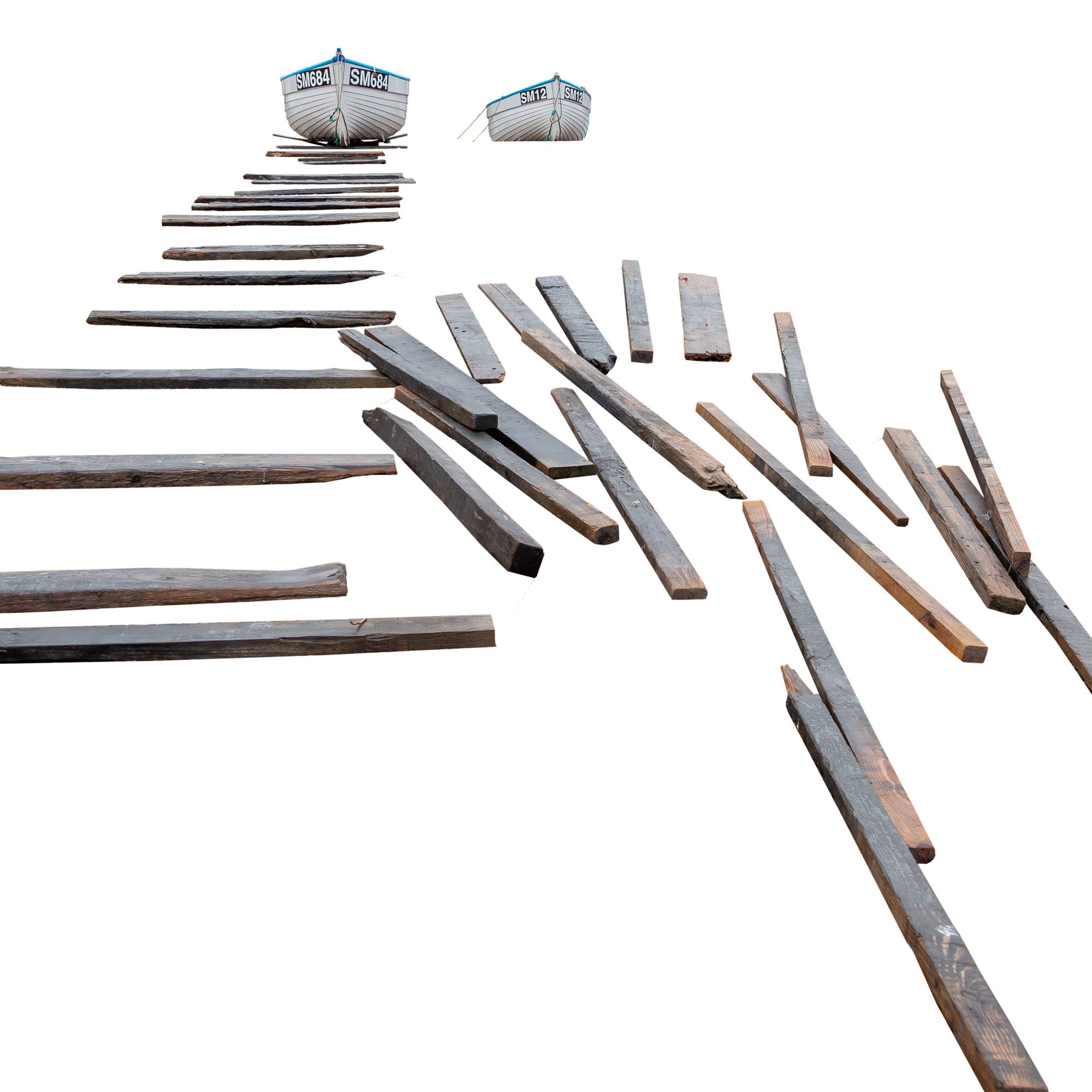
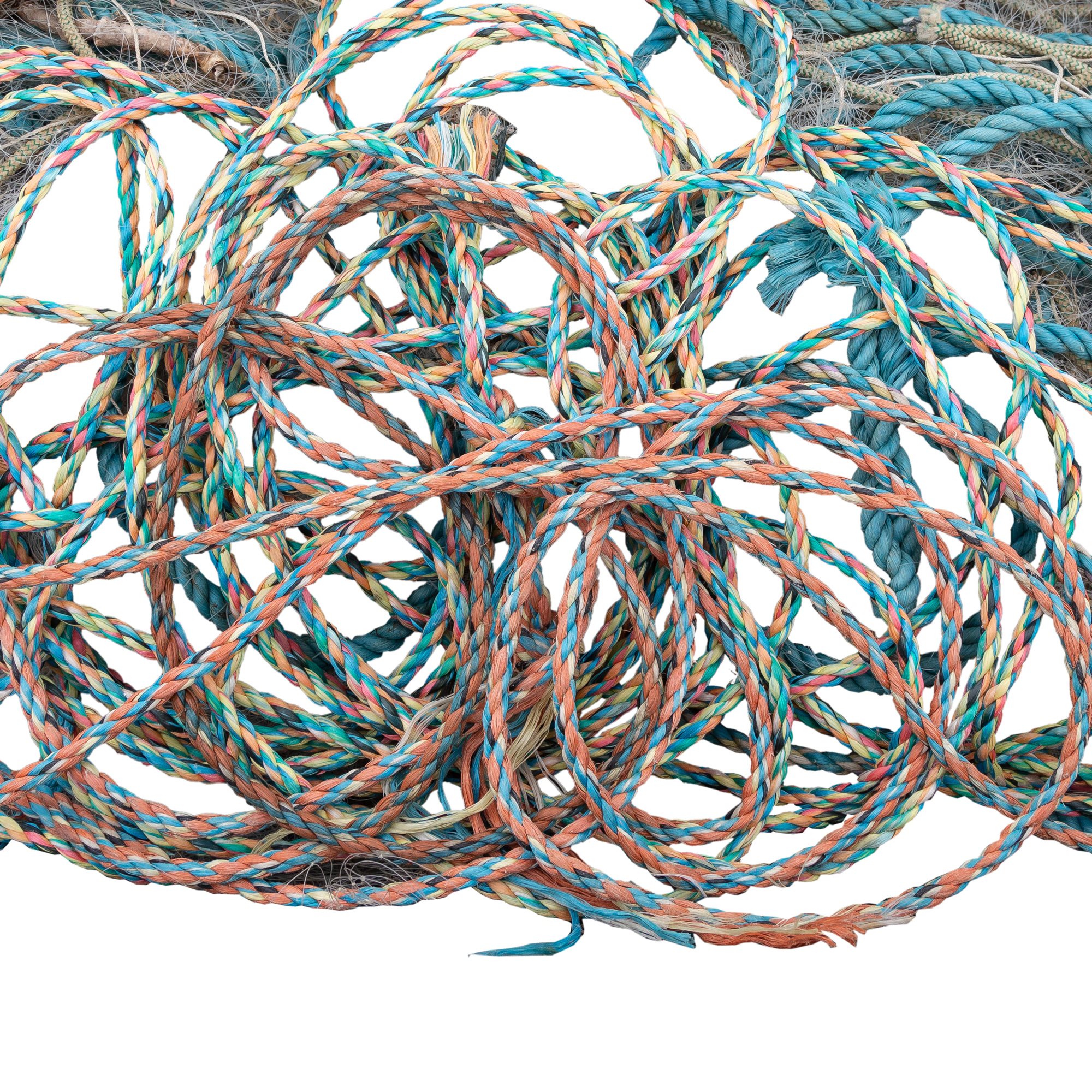
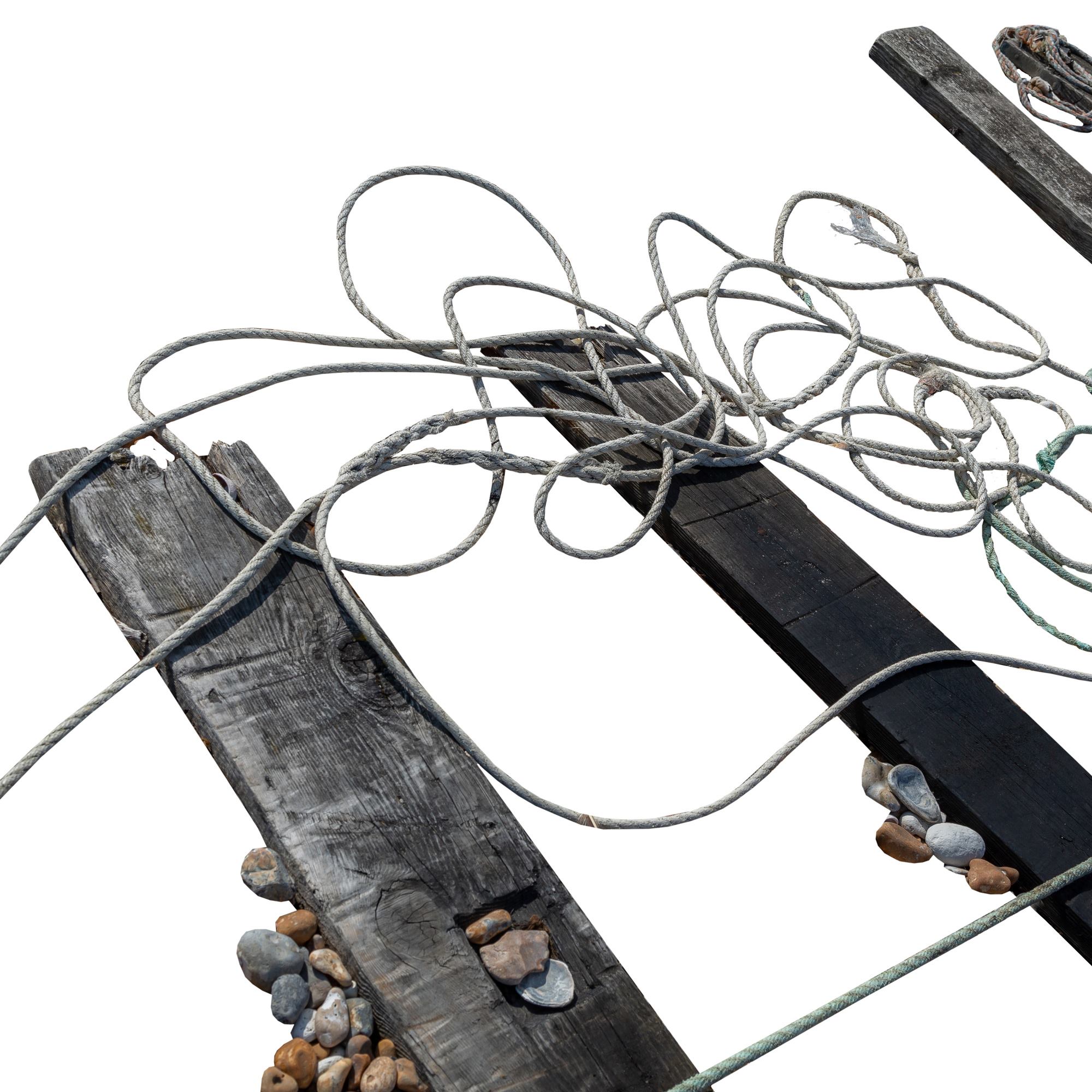
The strong directional marks made by the planks and the freedom of the meandering ropes interested me. Cutting these away from more complex backgrounds in photoshop made it easier to see their potential as elements in an image.
CREATING A MOOD BOARD
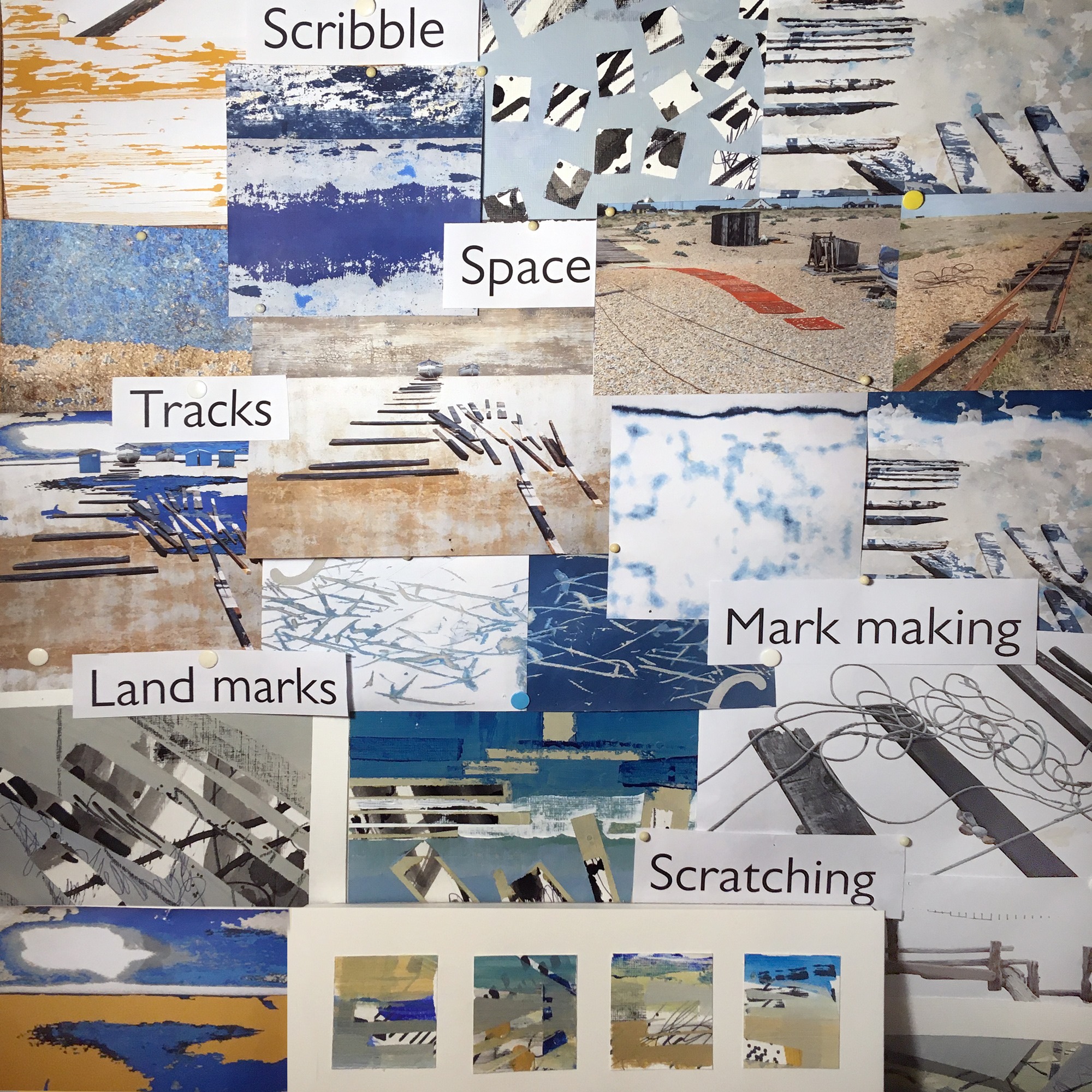
I decided to create a mood board of all the images I was attracted to. This included images of things that looked like marks on the beach, or scratches and scribbles, colours I was attracted to and words that I wanted to associate with. As a consequence, I thought this might subconsciously feed into my ideas as my artwork progressed.

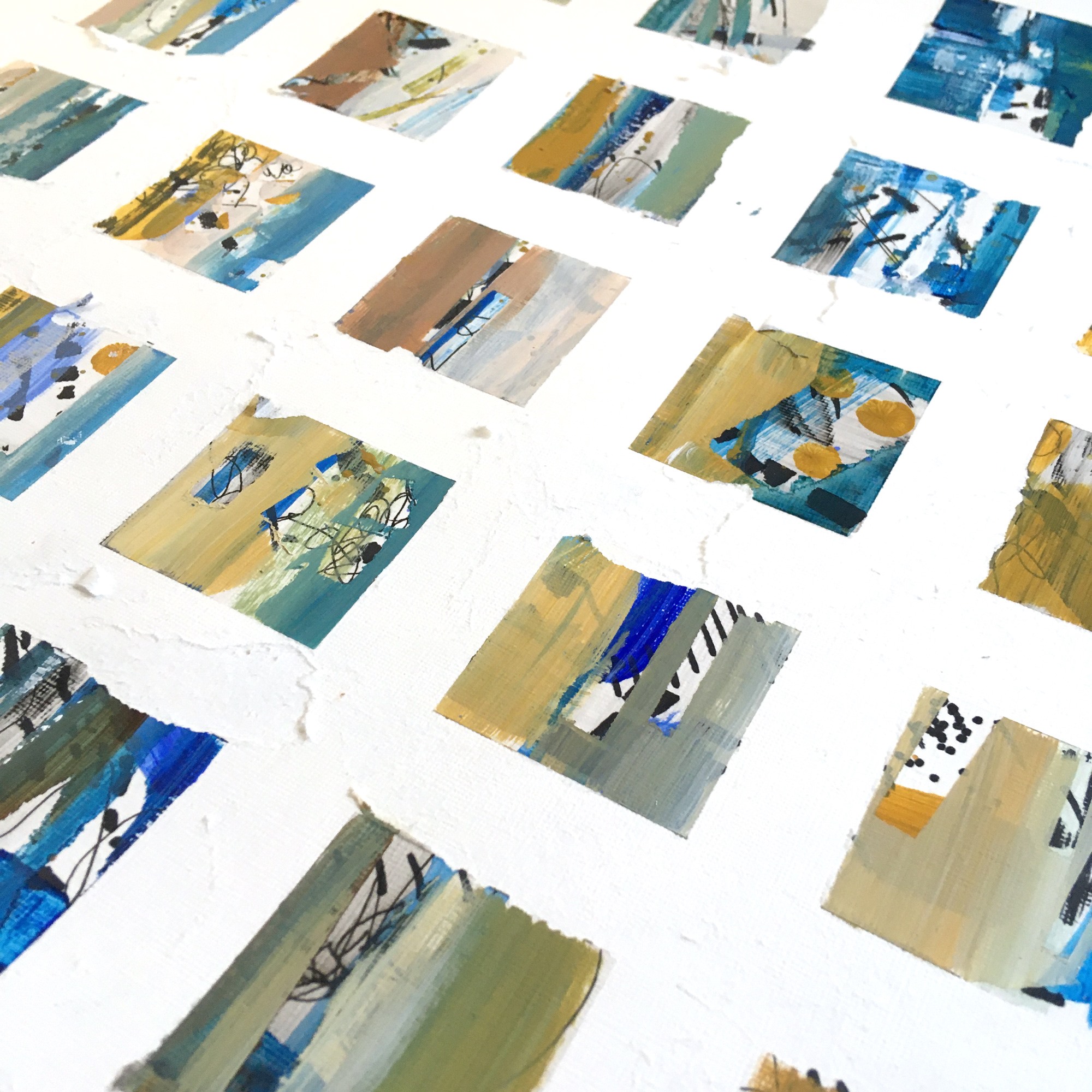
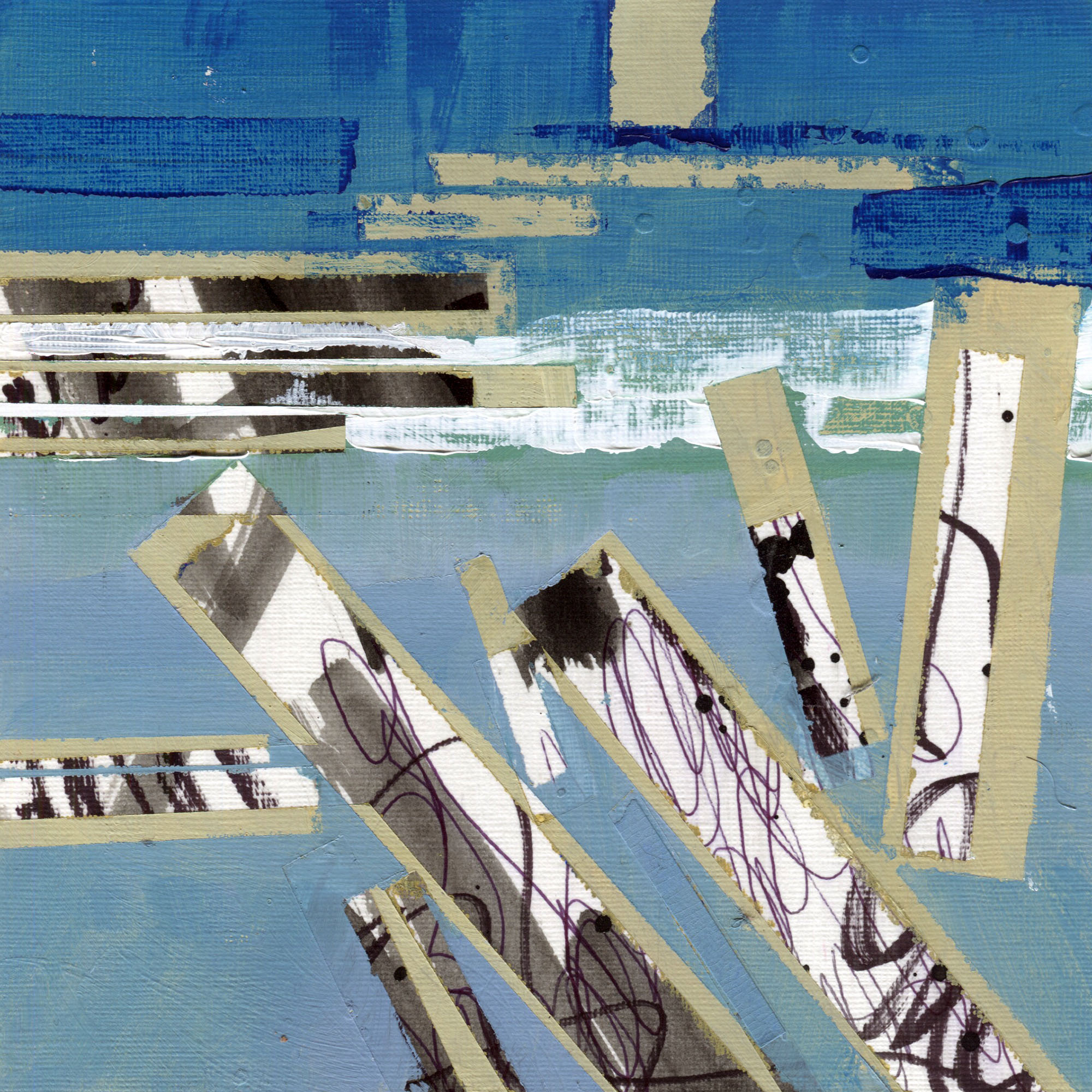
I wanted to make painting a part of this project so began working with marks and colours to find a way in. I temporarily abandoned painting when the masking tape I ordered never arrived ( pathetic I know! )so I focused fr the time being on photomontage.


The starting points for photomontage were easy to arrive at. The planks and ropes provided strong compositional devices. Going forward is going to prove more challenging. It is not easy to create landscapes around these definite shapes. I have not really worked with a mood board for a long time, or an idea for that matter. My work usually grows out of the process of making. I don’t know whether I will feel limited by this idea, or liberated.
SO WHERE DOES AN ART IDEA COME FROM?
So where do art ideas come from? It is easy in retrospect to see that my idea came when I wasn’t trying to think of it. My brain made the visual link between my lesson idea, and a photoshoot I had done. However, it also came about because I was open to and attracted to the idea of incorporating abstract painting into my work. It’s like my brain has made a cake out of the ingredients that are there, because the conditions were right to bake it. I wish it was as easy to see how ideas develop going forward as it is to see how they came about in the first place.
Would you like to follow my project progress – then please leave your email.
The form you have selected does not exist.





This is a very interesting article as I always ask myself the same question. As an abstract artist, it intrigues me to understand where the painting starts from and where and how it ends. I keep on painting waiting for the connection to be made with the artwork. Once connected I know the painting is now developing, but I could never figure out how or when it happens. Thank you for sharing the article.
As an artist myself, I’ve often found myself wondering where these creative sparks come from, and your post has given me a lot to think about. I loved how you shared your own experiences and insights on how ideas can strike at any moment – whether it’s during a walk, while chatting with a friend, or even in a dream. It’s amazing how our minds can be working on a problem or idea in the background, and then suddenly, BAM! An epiphany hits us.