

During the first lockdown, life changed almost overnight. Looking back, that period also changed the way I thought about making art.
As a contemporary British artist, I usually create digital photomontage inspired by the landscape and coastline. If you’re new to my work, you can learn more about how I create digital photomontages.
My work begins with original photographs before they are carefully layered and transformed in Photoshop into imagined places that encourage stillness and reflection. However, when restrictions arrived, travelling to gather new photographs was no longer possible.
Ironically, I had imagined that extra time at home would be a gift. More time with my family and more time to create sounded perfect. The reality felt very different.
Moving House During Lockdown
Our family had already exchanged contracts on a new house before lockdown began, so the move still went ahead.
Over eleven exhausting days we relocated a three-bedroom home and two businesses using only a car and a van. Eventually we settled into our new home in rural West Sussex, where each morning brought clear blue skies and the first signs of spring.
We explored nearby bluebell woods, enjoyed family walks and watched nature slowly unfold around us. In many ways, it felt like we were living inside a peaceful bubble while the wider world faced enormous uncertainty.
Although everything around us looked beautiful, beginning work again in my new studio proved unexpectedly difficult.
When Making Art Suddenly Felt Difficult
As I unpacked my workspace, creating art no longer seemed as important as it had only weeks before.
Watching healthcare workers and other key staff risk their lives each day made spending time on something I loved feel strangely self-indulgent. I know many artists experienced similar feelings. Some could no longer reach the places that inspired their work. Others were unable to access materials or studios. Creativity suddenly had to adapt to a completely different reality.
Nevertheless, I have always believed that art grows from our circumstances. Every period of life leaves its mark on the work we make. Instead of looking further afield for inspiration, I began paying closer attention to the ordinary objects surrounding me every day.

Inspiration in Everyday Objects
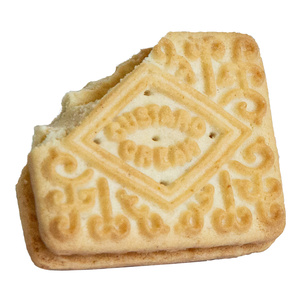
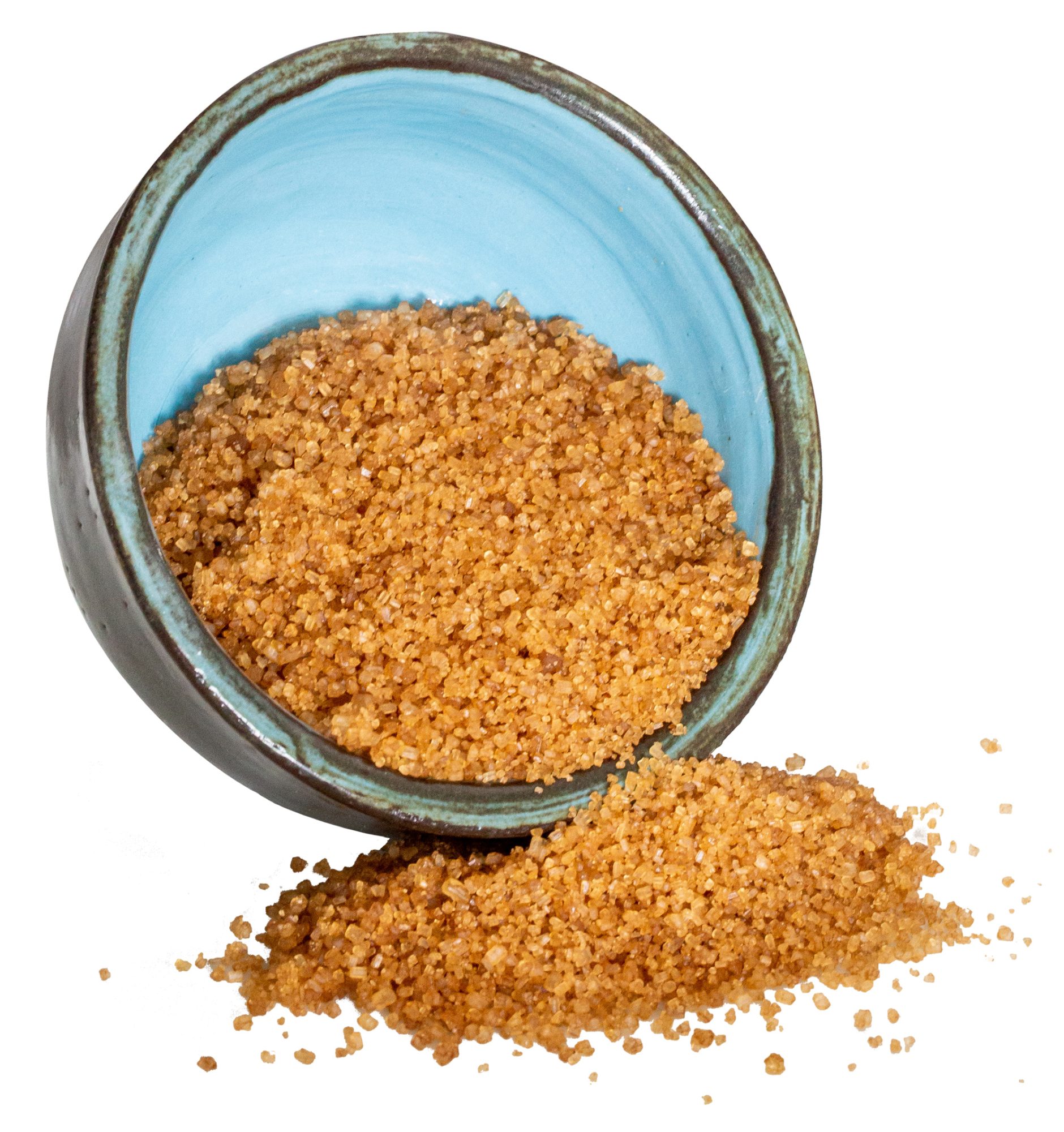
Like many people, I found myself making endless cups of tea, searching the cupboards for treats and buying more biscuits than usual. These familiar routines became part of lockdown life.
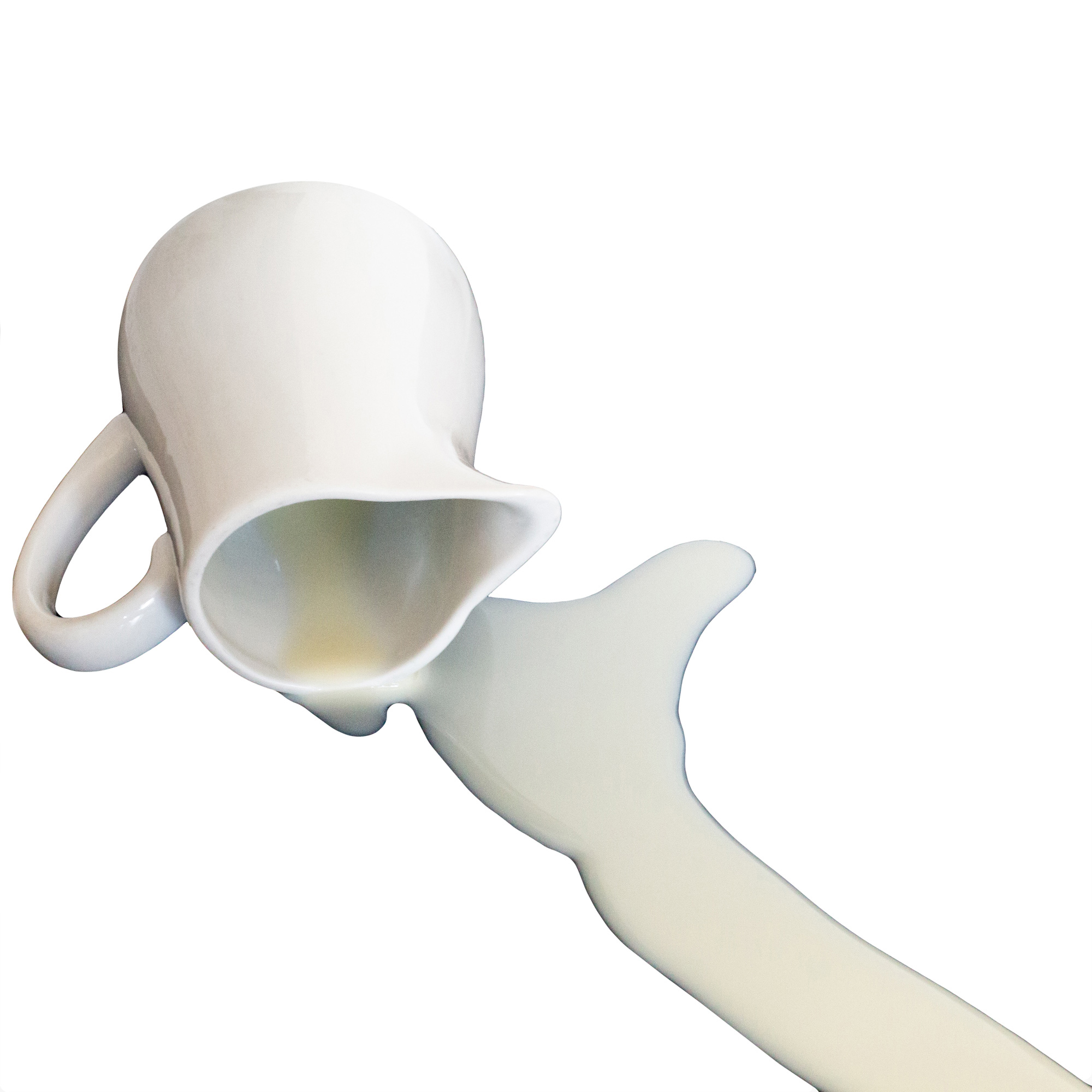
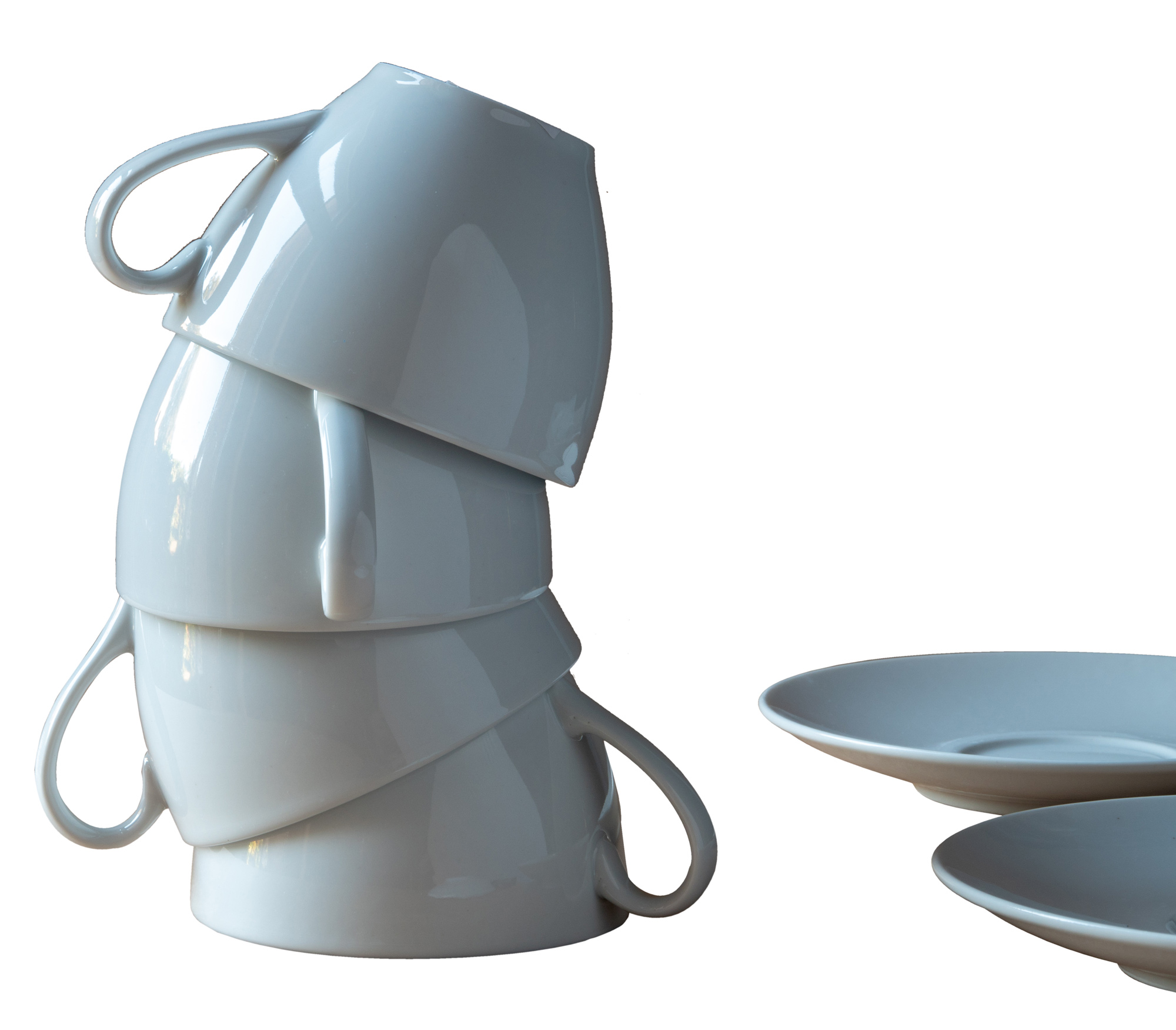
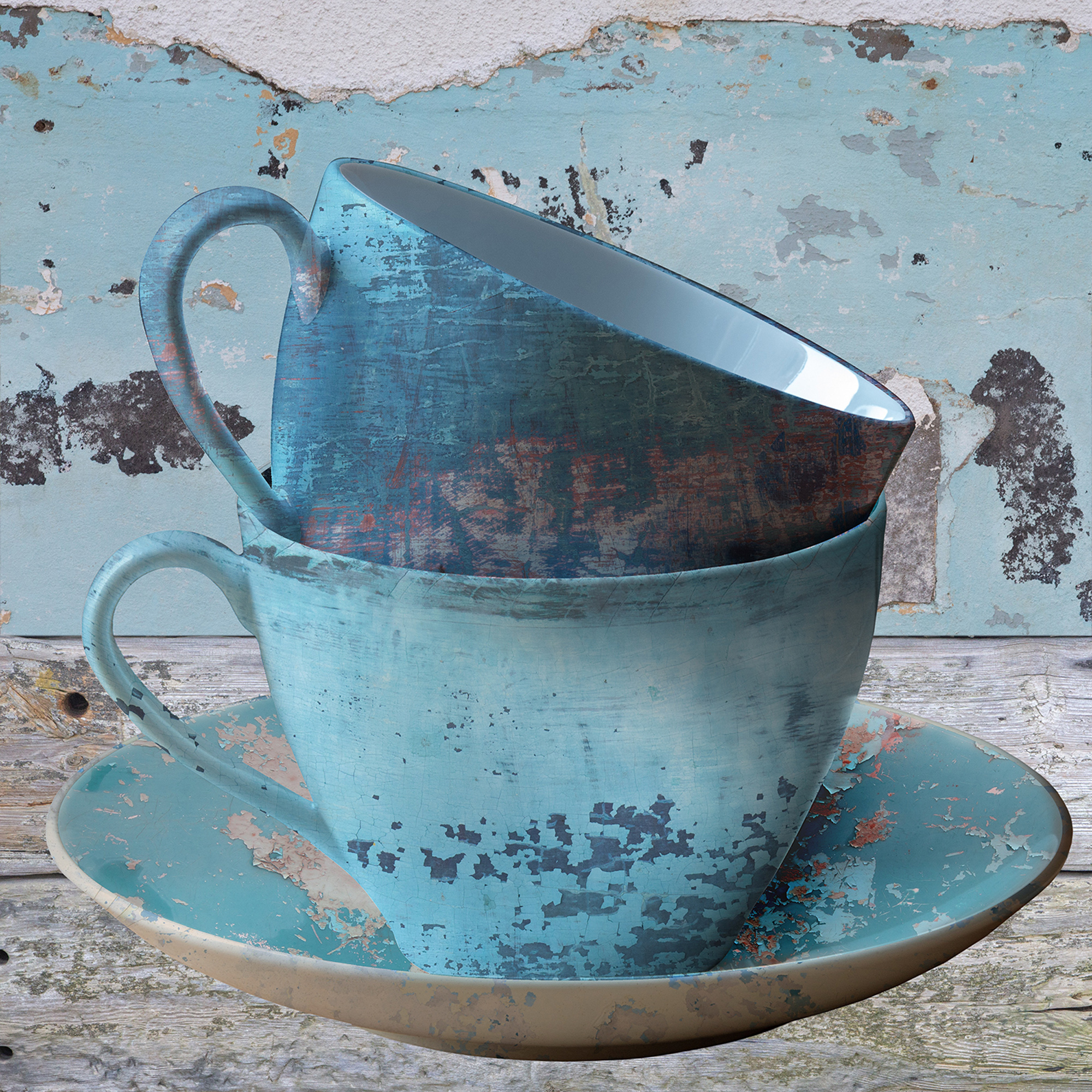
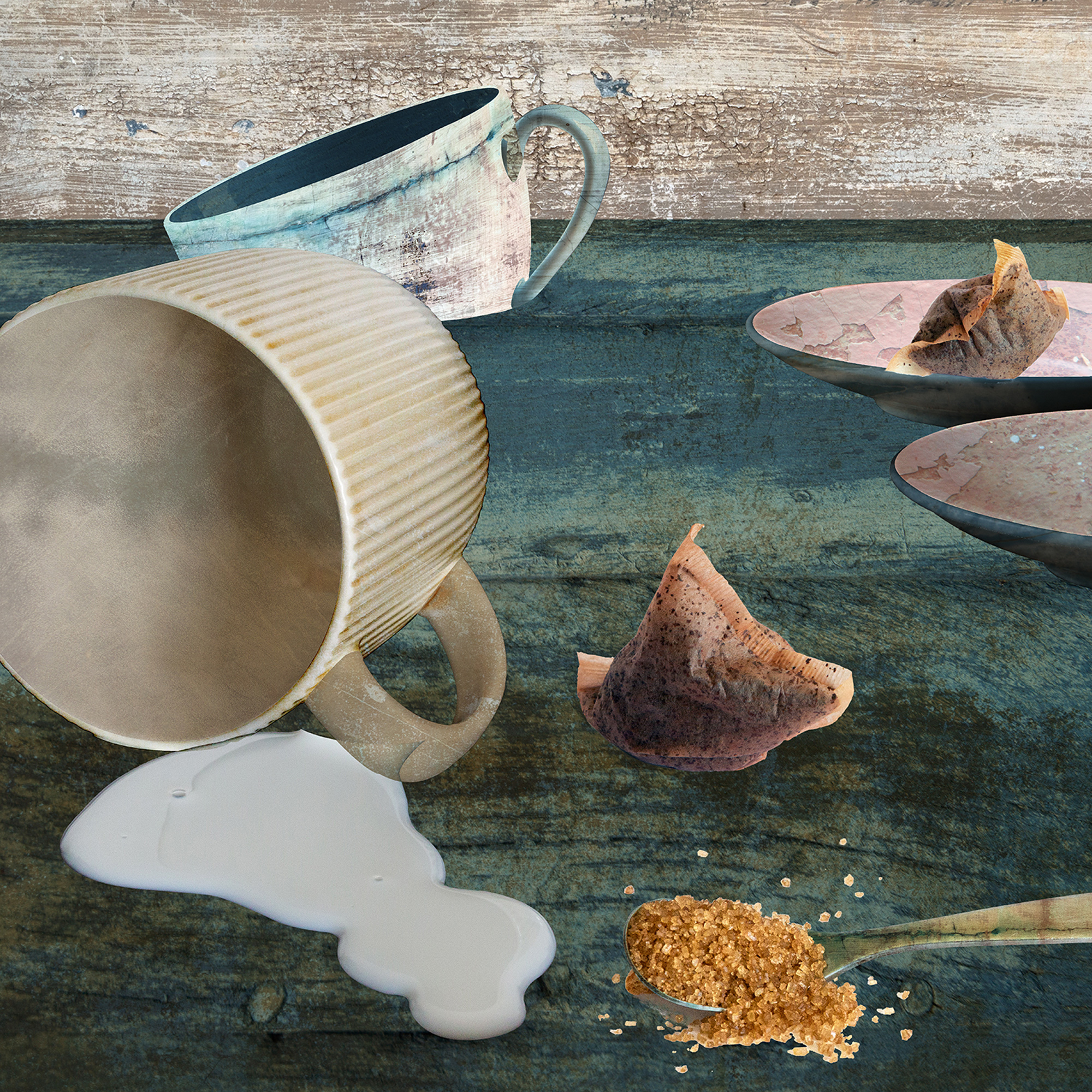
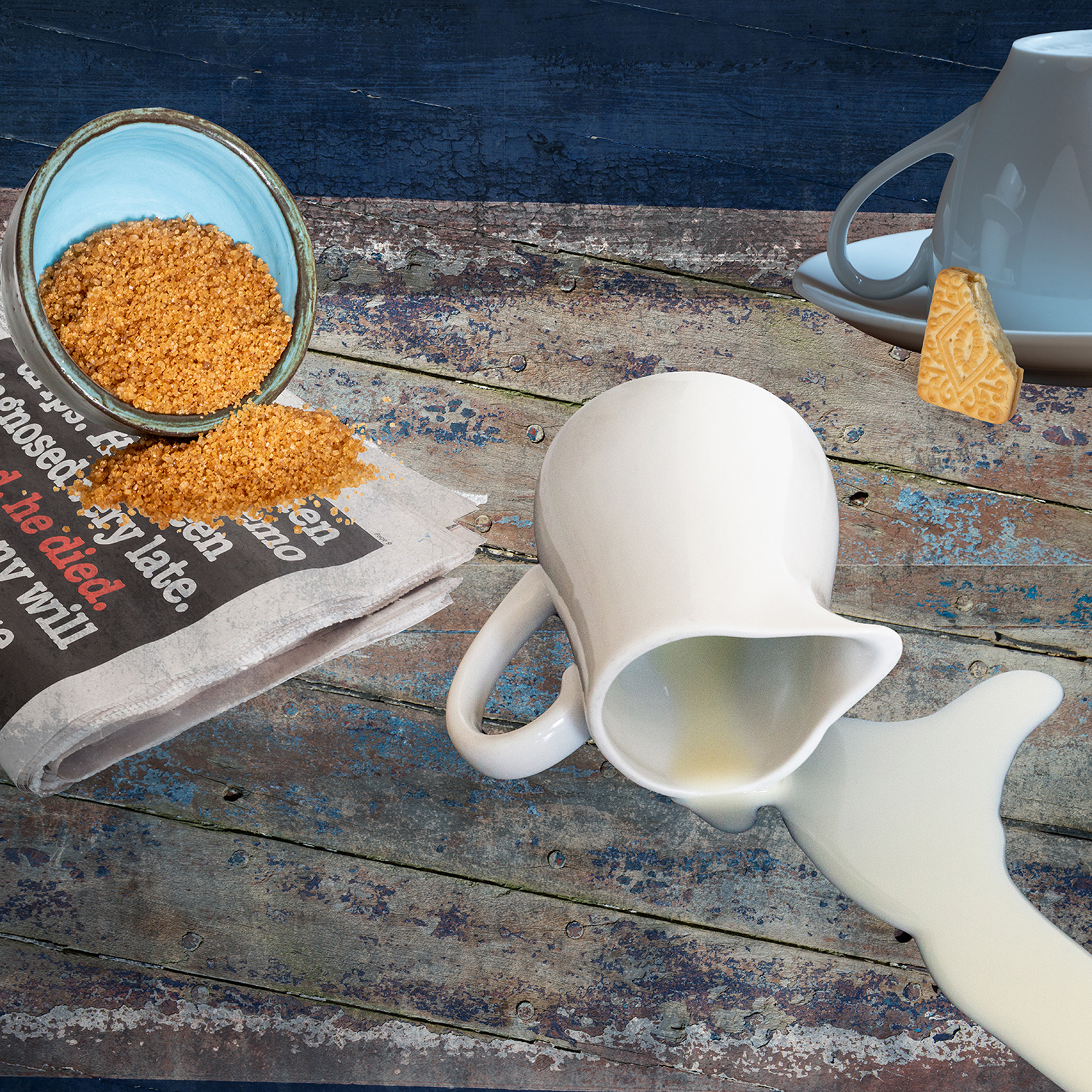
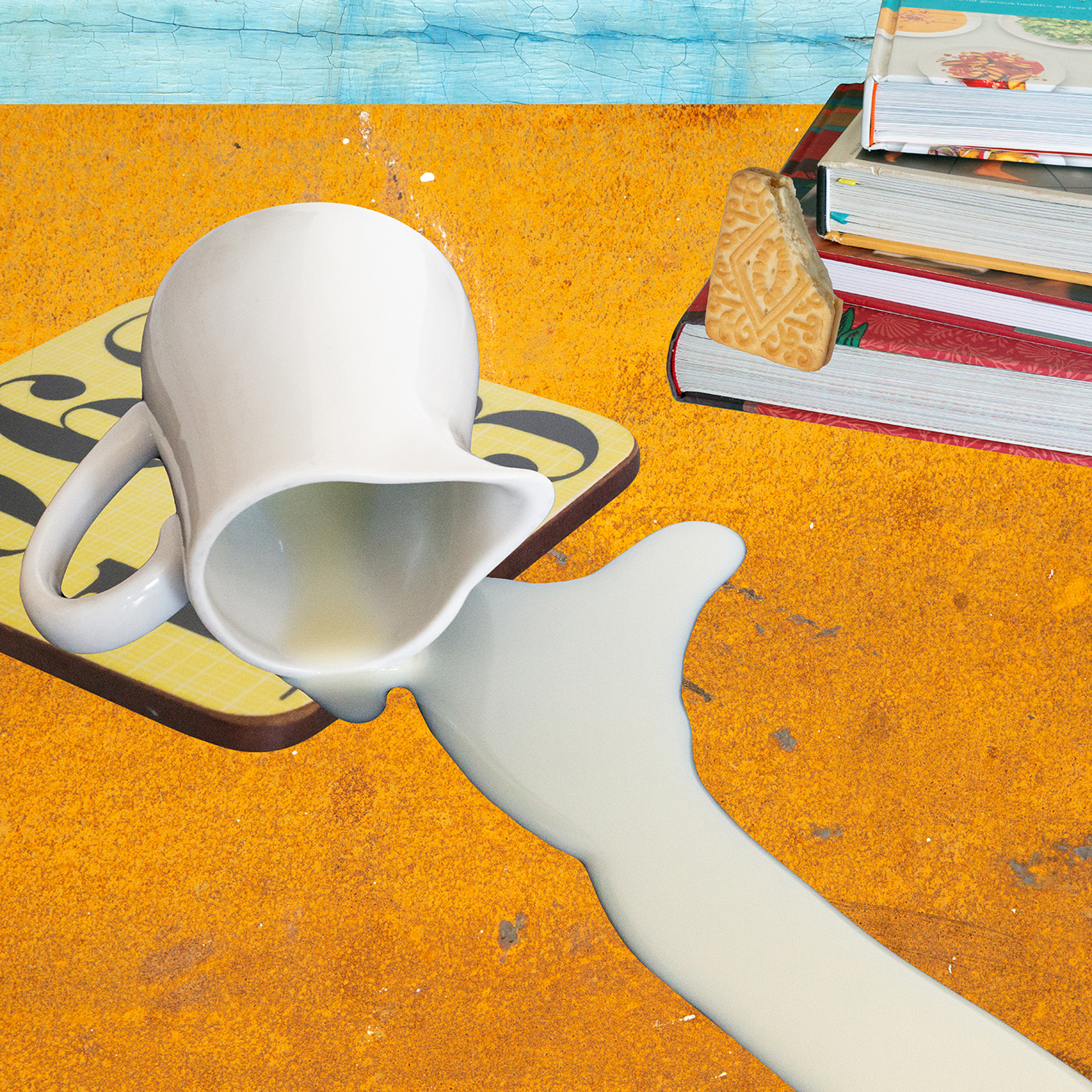
Gradually, I started photographing cups, plates, biscuits and other everyday objects. Rather than recording them realistically, I wanted to explore whether simple arrangements could communicate uncertainty, imbalance and the emotional atmosphere of that strange time. I experimented by stacking cups, tipping objects over and creating compositions that felt slightly uneasy.
Although these subjects were very different from my contemporary landscape prints, the intention remained remarkably similar., the intention remained remarkably similar. I was still searching for atmosphere rather than documentation. I was still interested in creating images that suggested emotion instead of simply describing a scene.
From Still Life to Digital Photomontage
Artists have long used still life to express ideas beyond the objects themselves.
The seventeenth-century Dutch painter Pieter Claesz created Vanitas paintings that used everyday possessions to explore mortality, the passing of time and the fragility of life.


I certainly wasn’t trying to communicate ideas on that scale through a cup of tea. Instead, I became fascinated by how the arrangement of ordinary objects could suggest different emotional states. Small shifts in composition, colour and texture completely changed the mood of an image.
That curiosity became the starting point for a new body of experimental work.
My Digital Photomontage Process
As with all my artwork, I rarely begin with a fixed plan.
Each object is photographed individually before being carefully cut out and layered in Photoshop. From there, I experiment with composition, masking each element so that I can apply different textures, colours and surfaces.
The process is intuitive and constantly evolving.
Often I would begin assembling a digital photomontage before realising another photograph was needed. I would make another cup of tea, take more pictures, return to the computer and continue experimenting.
It became a slow, stop-start way of working.
Looking back, that rhythm perfectly reflected life during lockdown itself.



Creativity Begins with Observation
Although this work differed from my contemporary landscape and seascape prints, it reinforced something that continues to shape my practice today.
Creative ideas rarely arrive fully formed.
Instead, they emerge through careful observation, experimentation and a willingness to follow unexpected directions. Whether I am creating imagined landscapes from original photographs or photographing the everyday objects around my home, the process always begins with paying attention.
Sometimes all it takes is a quiet moment, a fresh cup of tea…
…and perhaps a biscuit.