

Earlier this month I had the amazing opportunity to travel to Japan – It still feels like a blur and I haven’t had time to process it properly.
It’s somewhere I’ve been drawn to for years, especially since studying textiles at college, where I first connected with the work of Fashion & textiles designers, Issey Miyake, Rei Kawakubo and Reiko Sudo. Their approach to design opened up for me a way of thinking about materials, processes, irregularity and imperfection in creative work – things that still make my heart beat faster.
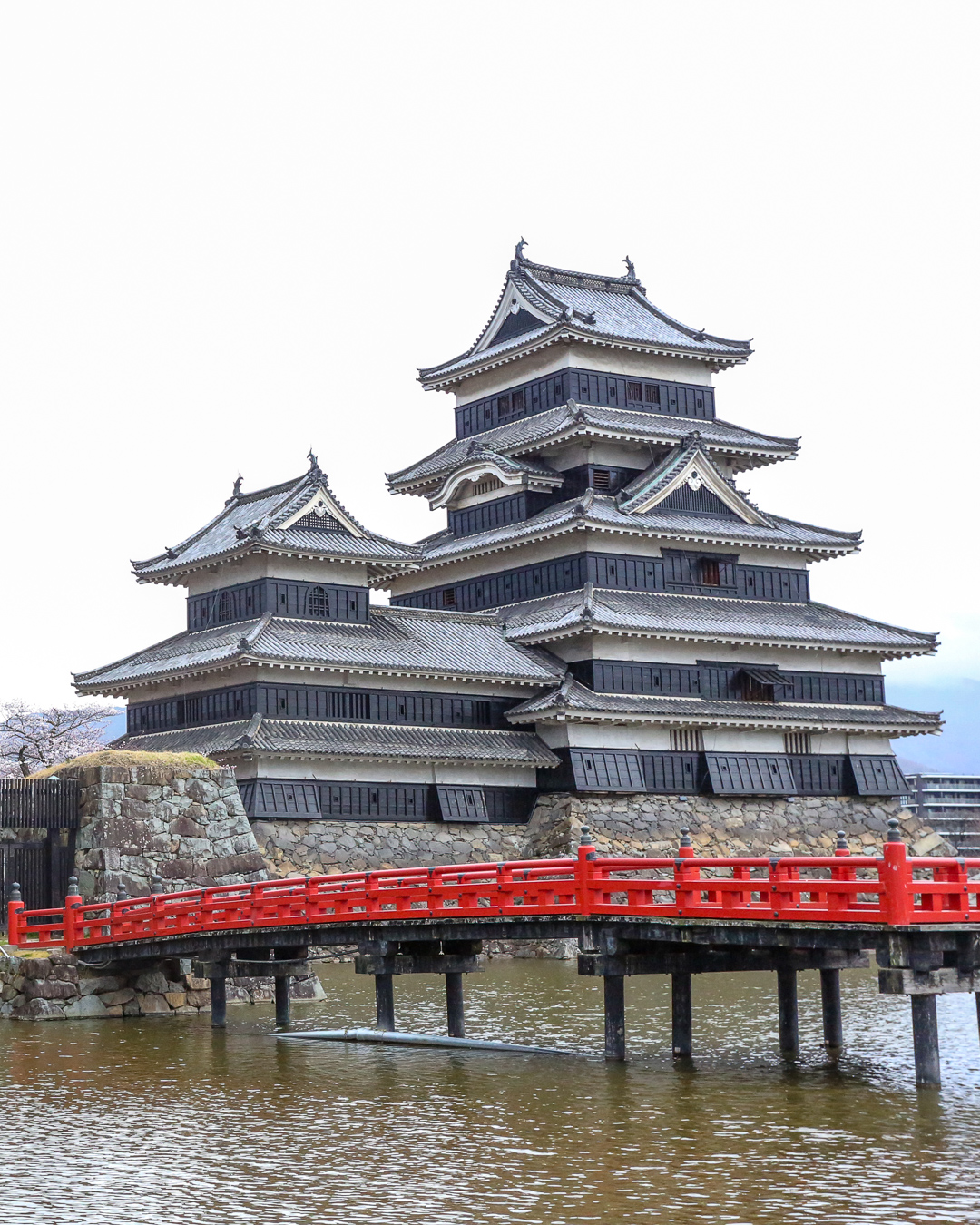
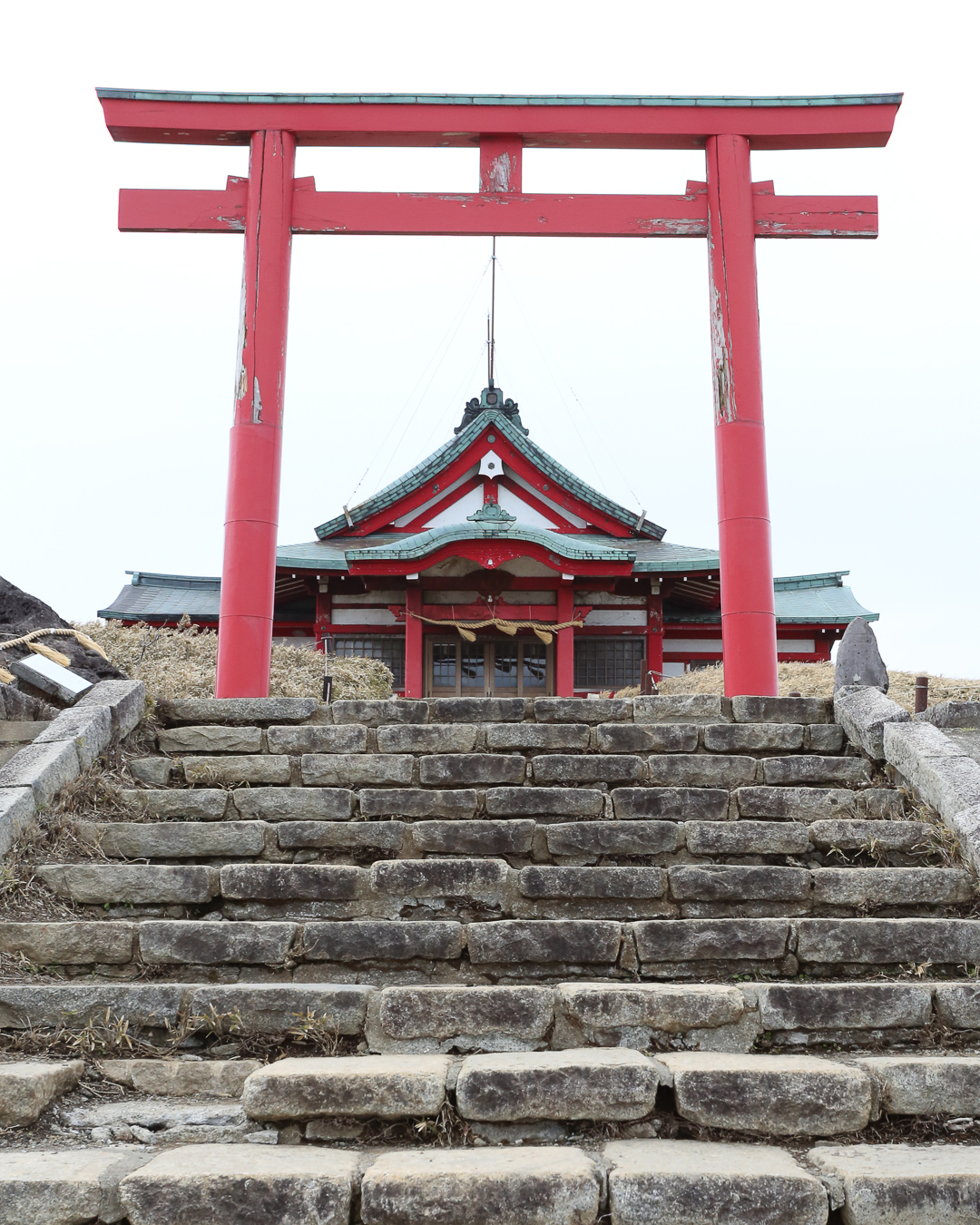
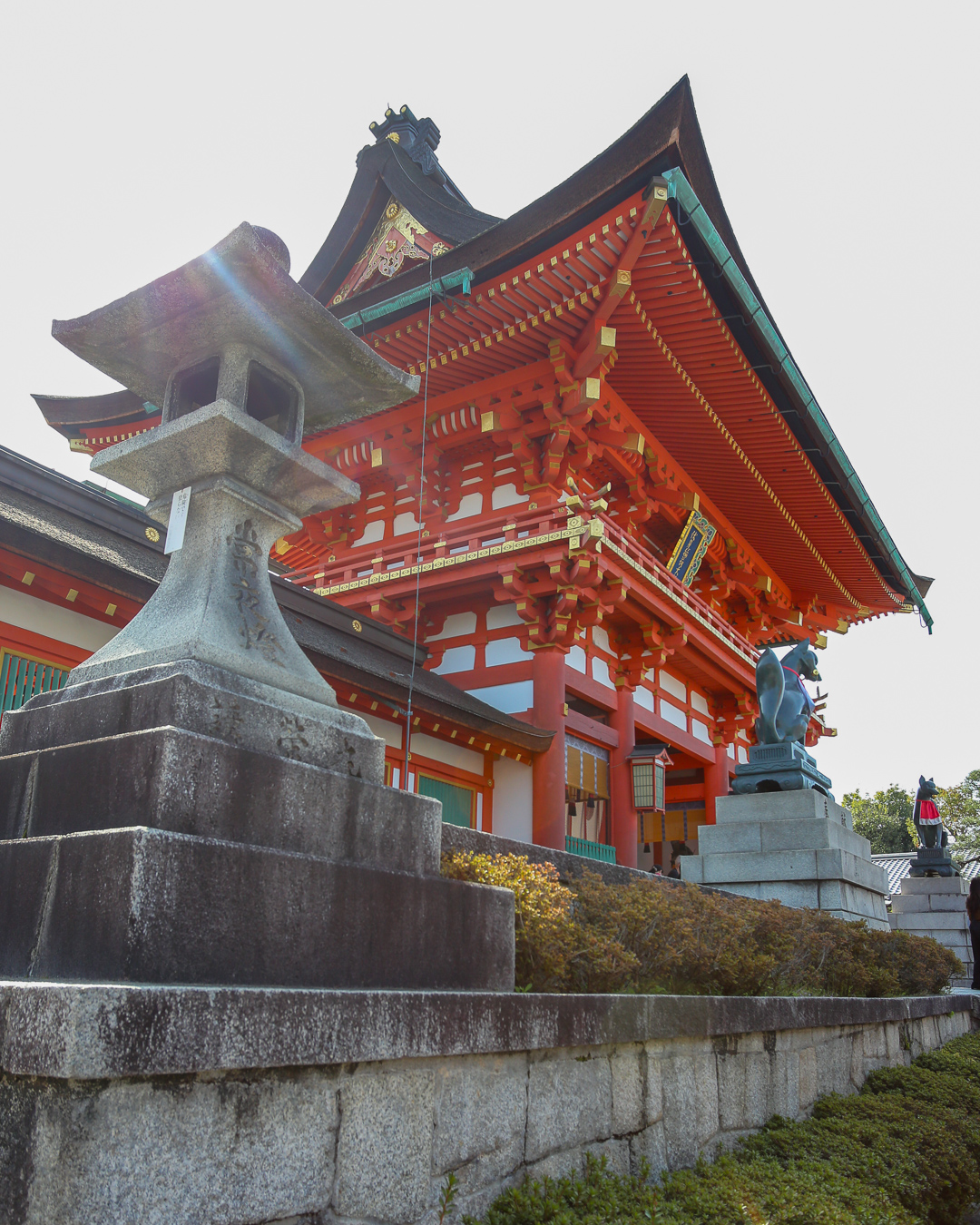
I went to Japan with, and thanks to my Mum, who is 80, and we joined a tour with several friendly Australians, New Zealanders and English people. The tour was packed with sight seeing as you might imagine and as such slightly relentless, but resulted in us seeing an extraordinary amount in a short space of time. It was largely structured around temples and shrines of which there are thousands in Japan. It also meant there was very little room to drift, to linger, or to follow anything that caught my attention – which is my default setting!. I found myself taking quick photos of everything. It was less about really looking and more about an obsessive compulsion to capture what I was seeing lest I should forget it.
I became that happy snappy traveller, that has a camera constantly stuck to their face, because everything was so different and fascinating. A fellow traveller asked me (in good humour) ‘Why do you keep taking pictures of ‘random shit?’ – but thats’ just what I do 🙂
That said, we were incredibly lucky with what we did see.
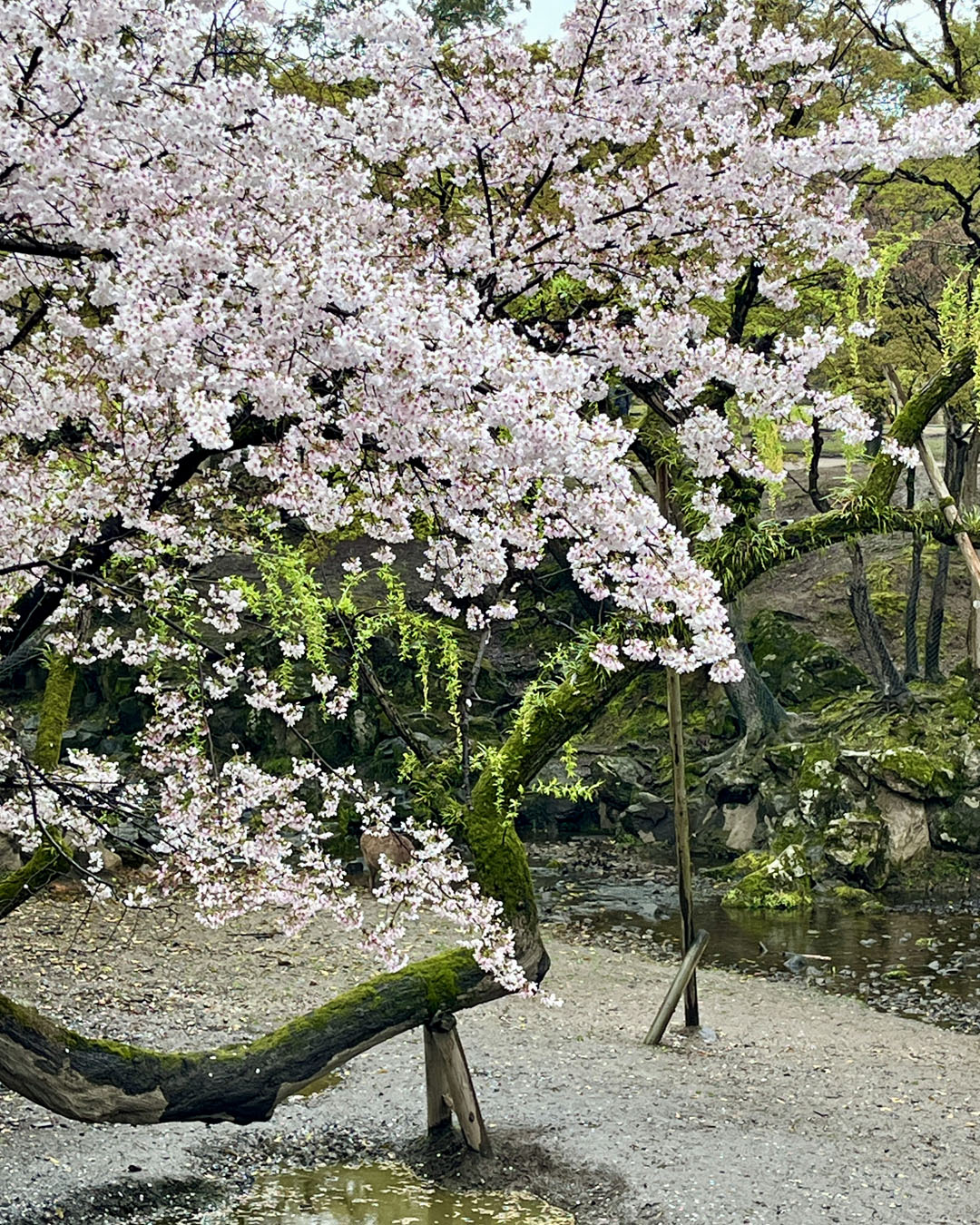
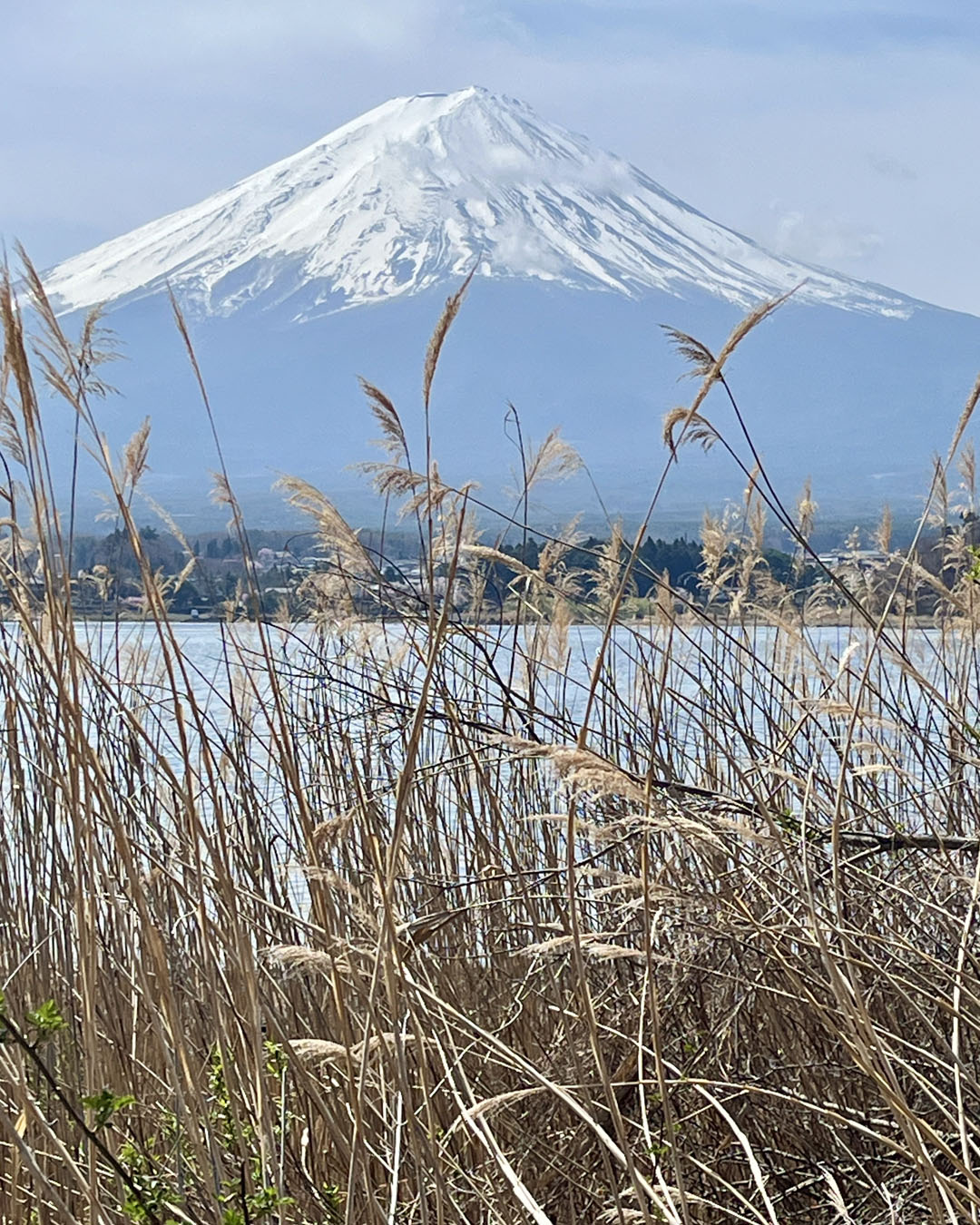
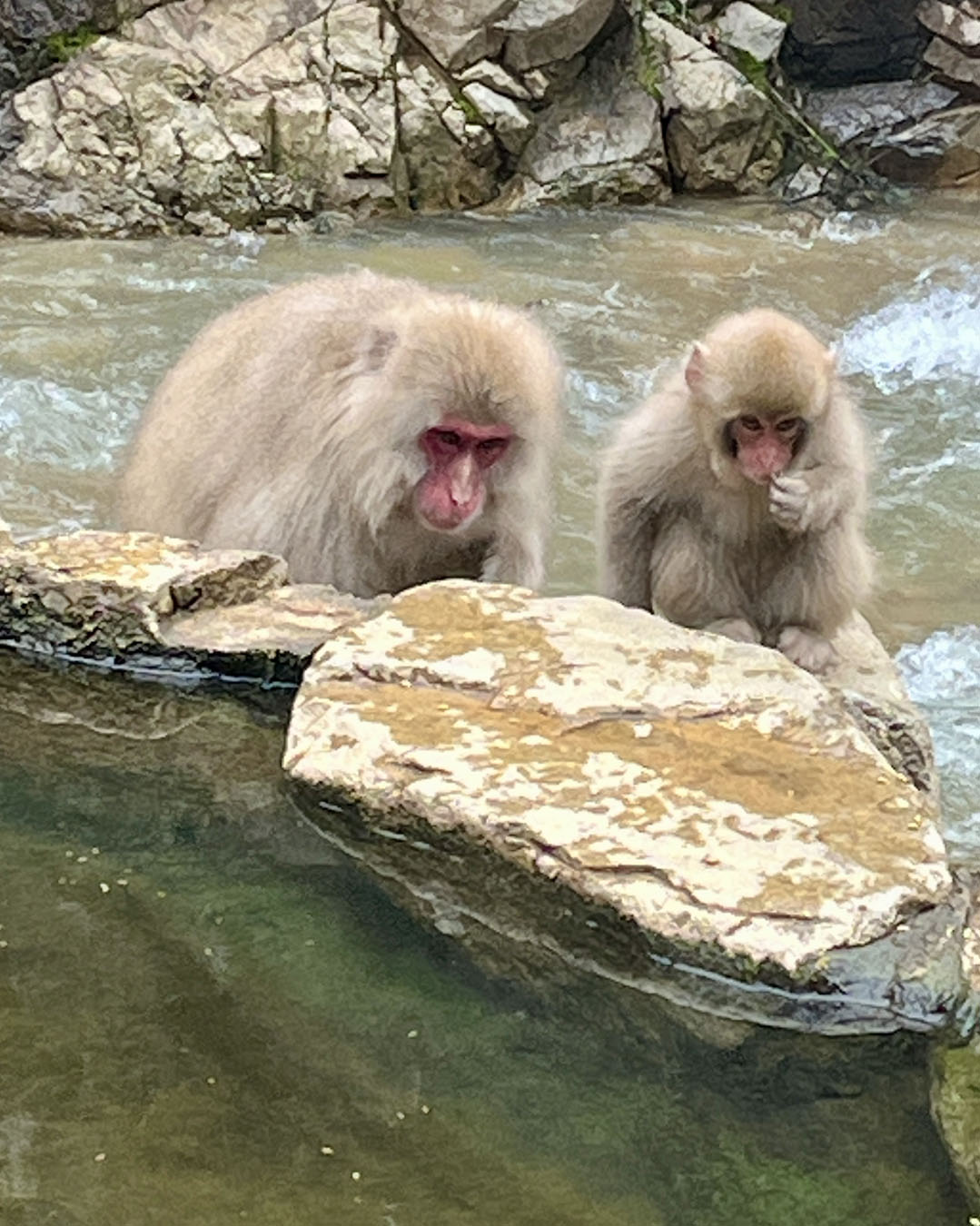
We arrived during cherry blossom season, which I had taken for granted without realising it only lasts about a week. The trees were in full bloom, and gorgeous. The same was true of Mount Fuji—I had assumed we would see it, not realising how often it’s hidden by cloud. But it was completely clear the day we visited, like a monument rising up out of the ground. It was clear why it demands so much artistic and spiritual reverence. Even the snow monkeys, which I’d imagined (maybe a bit naively) would be surrounded by snow in April, turned out to be a highlight—we were surrounded by them, while other tour groups had barely seen any.
Japan constantly made me aware of how much I assume when I travel.
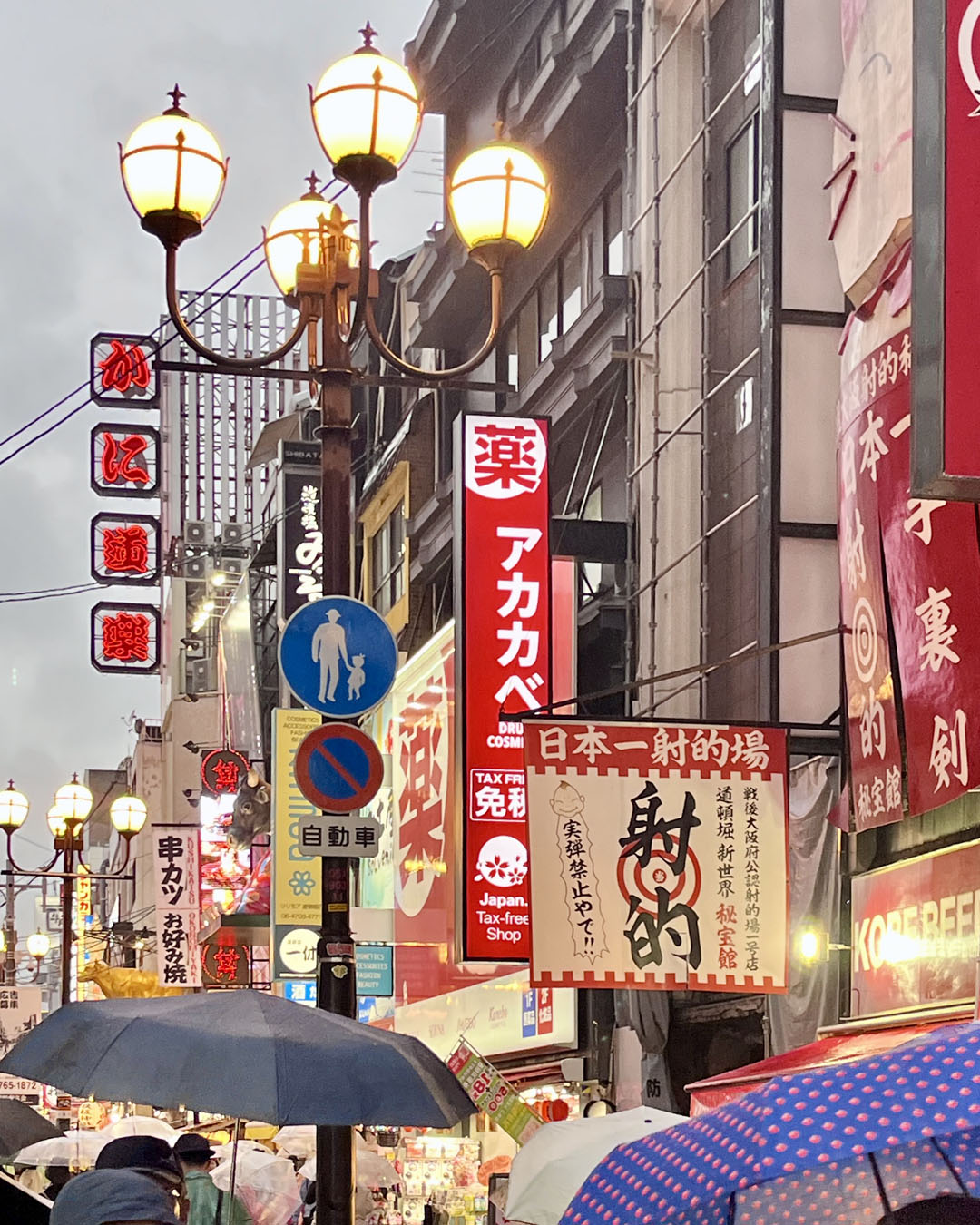


One of the first things that struck me on arrival was the scale of the built environment. Arriving into Osaka, the industrial landscape seemed to go on forever—pipes, structures, infrastructure stretching for miles, almost like I would imagine some post apocalypyic society rising up out of the ground. And that density continued in the shopping district, bursting with people, lights, umbrellas and signs for kobe beef.
It was several days before we saw anything that felt like open countryside. Even then, it appeared in small pockets between buildings. It made me realise how lucky we are in England to be surrounded by green spaces.
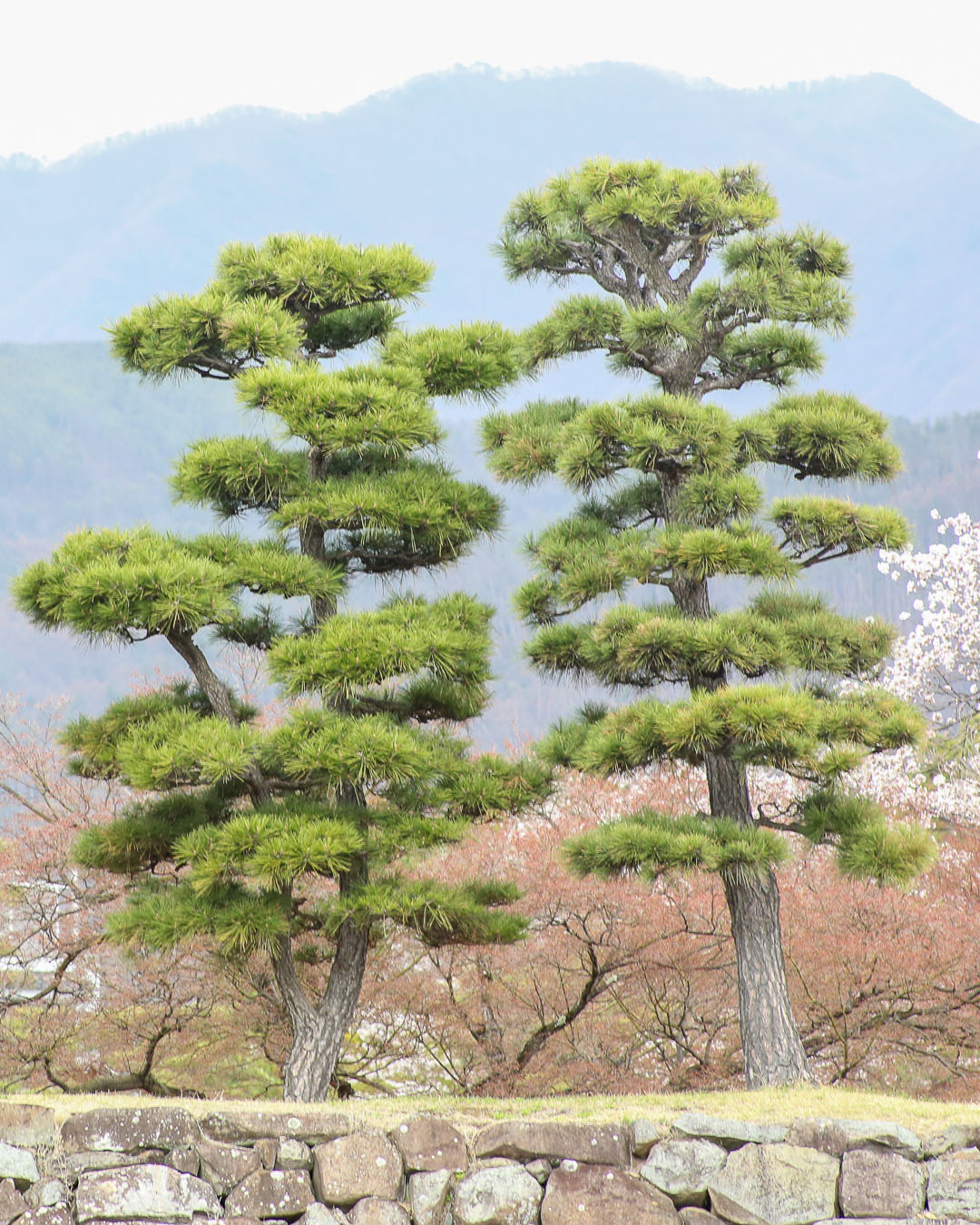

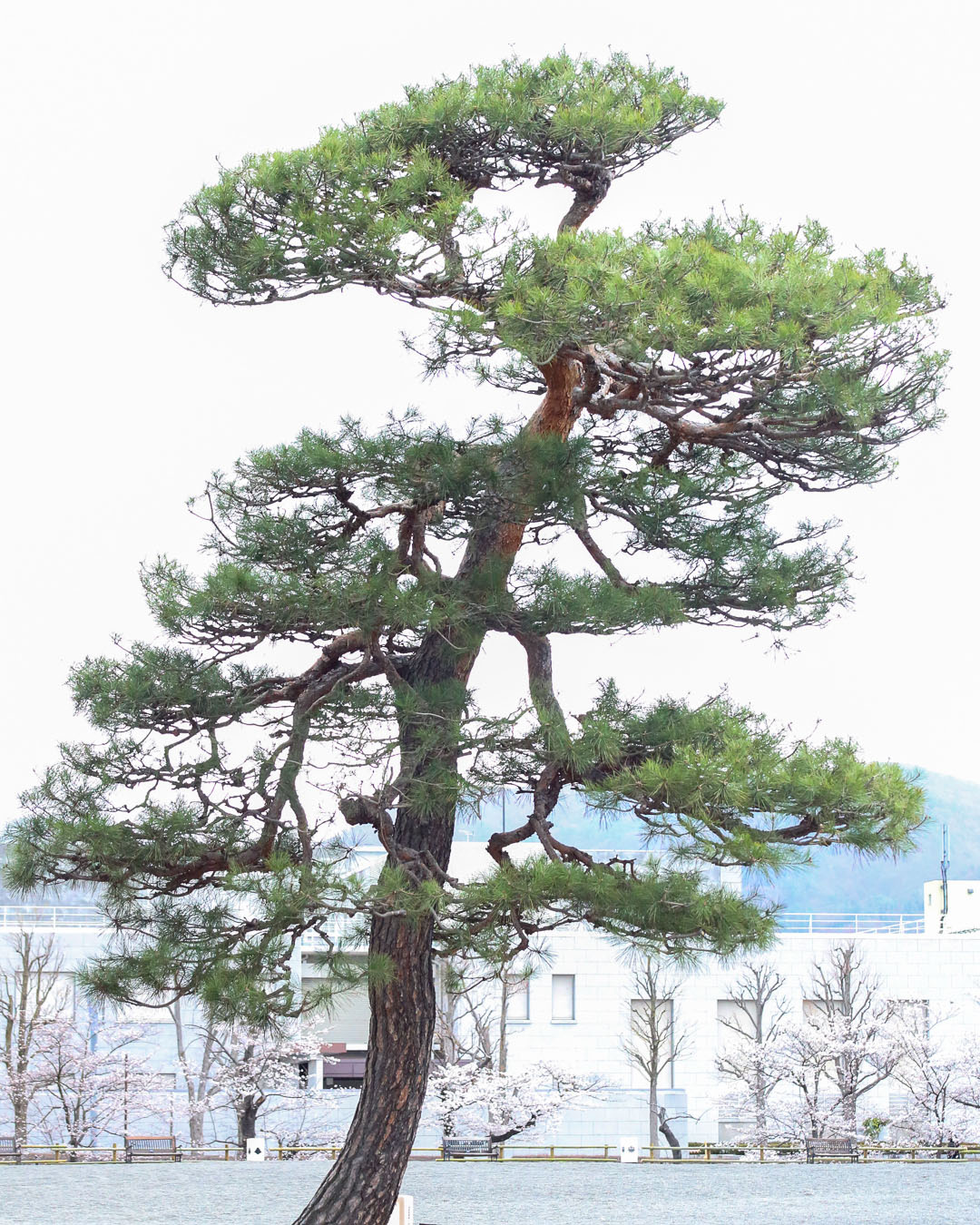
In the parts of Japan we saw, nature felt more controlled, more deliberate. Trees are shaped, gardens curated, landscape carefully framed. When nature is limited in the towns, its presence feels more intentional. Being there during blossom season made that even clearer, why so much attention is given to seasonal changes. When something only lasts a week, it carries a different kind of importance.
Visually, I also started to understand something that had always puzzled me. I used to think Japanese prints exaggerated the landscape—the sharp mountains, the shaped trees—but seeing them in real life, I realised they don’t. The forms are genuinely like that.

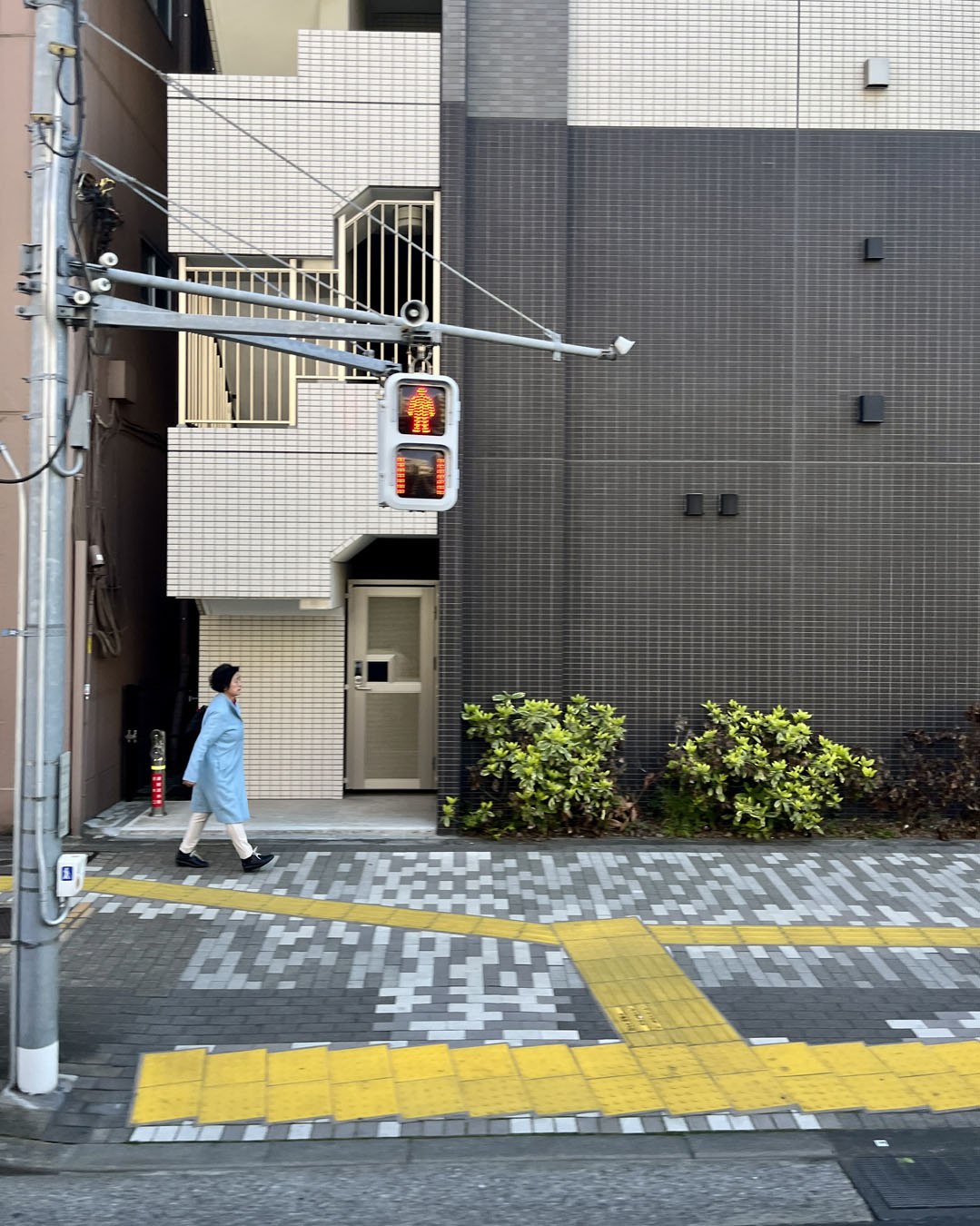

Because I didn’t have much time to stop and compose photographs, I ended up taking a lot of images from the coach window. At first, it felt like a compromise, but it actually became a consistent and enjoyable way of recording the journey. The window flattened everything—foreground, middle ground, background—which reminded me of the structure in Japanese prints. It’s something I think might influence how I work going forward.
Other things that excited me were patterns I came across in the environment
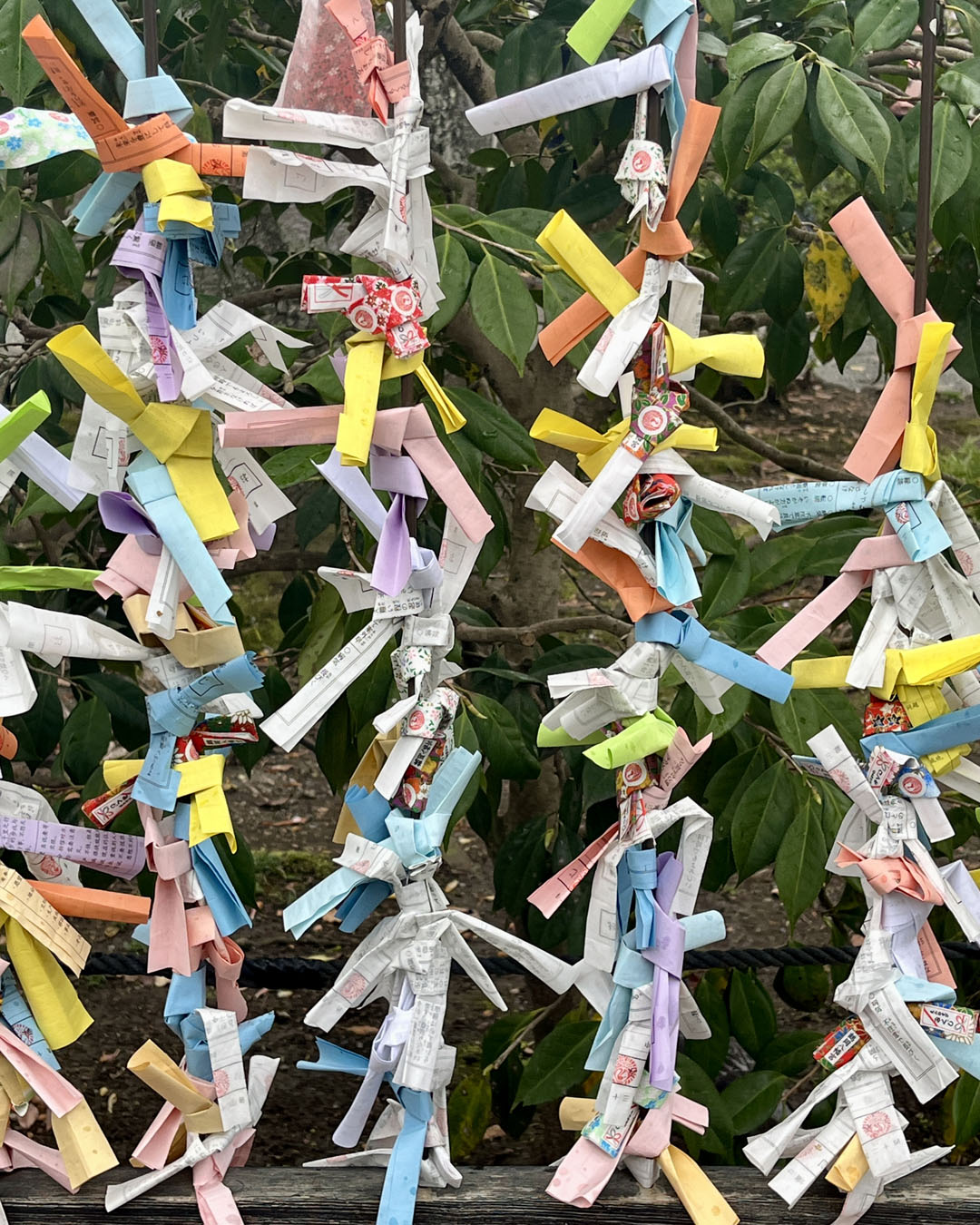
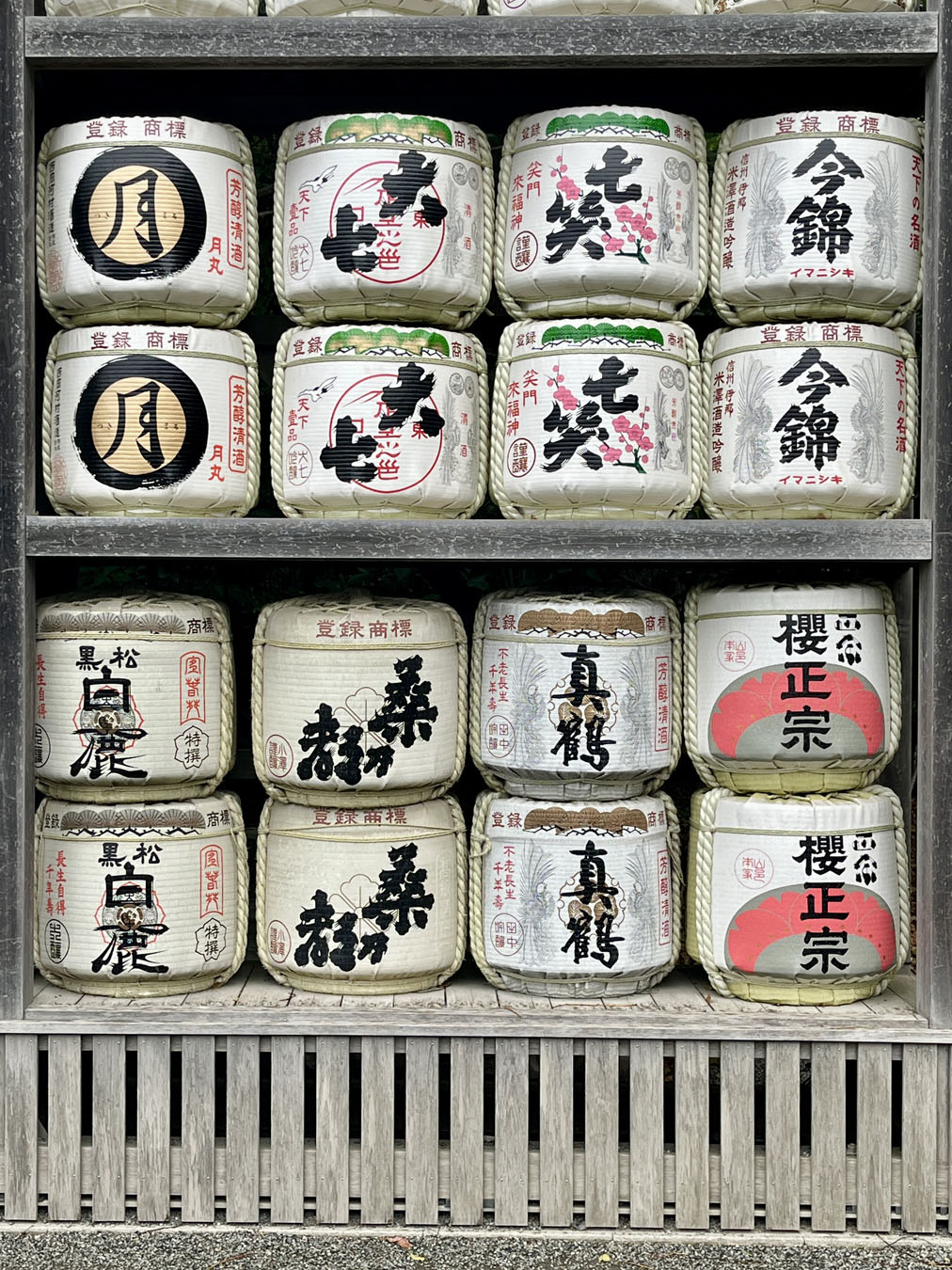
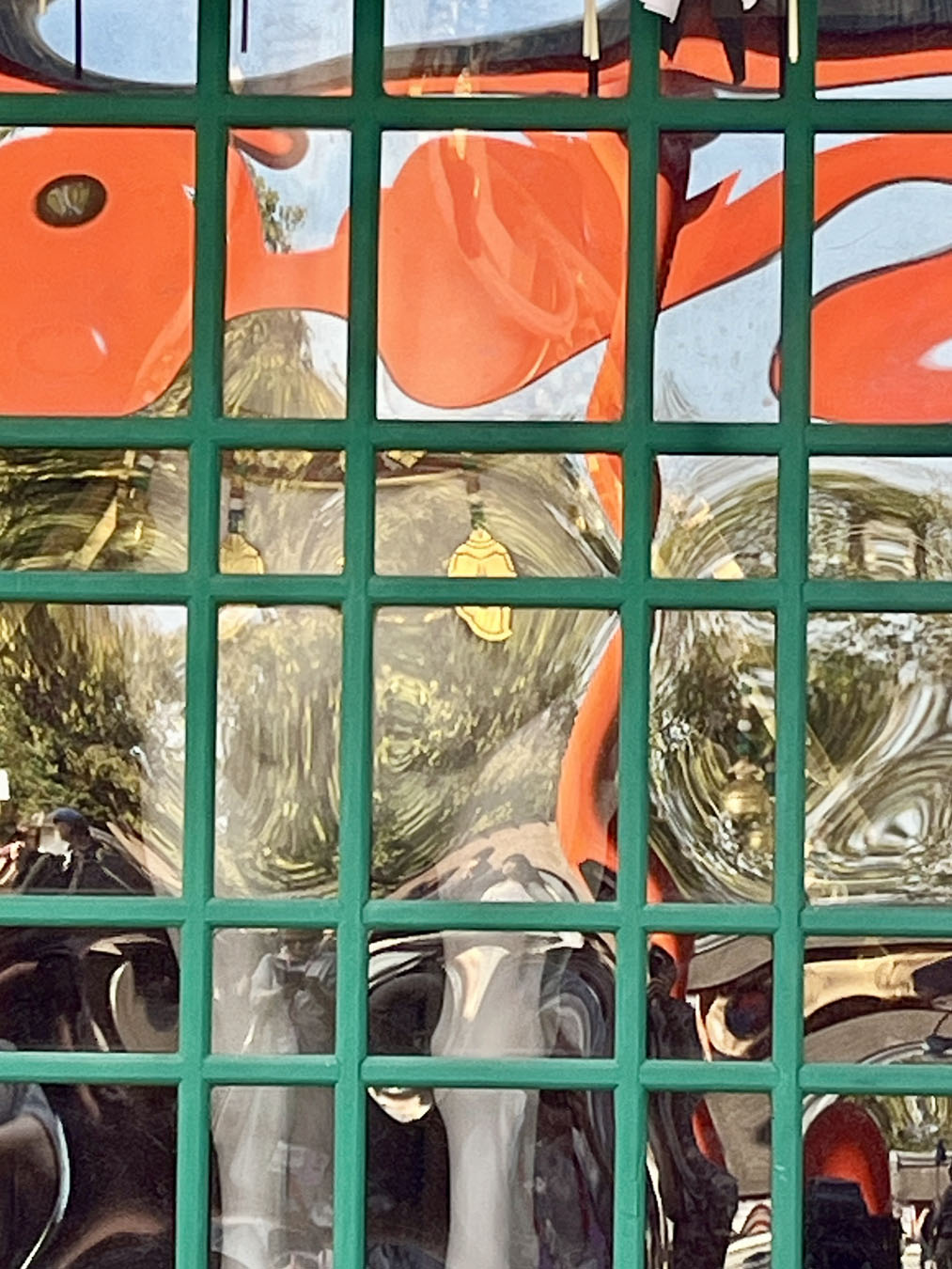
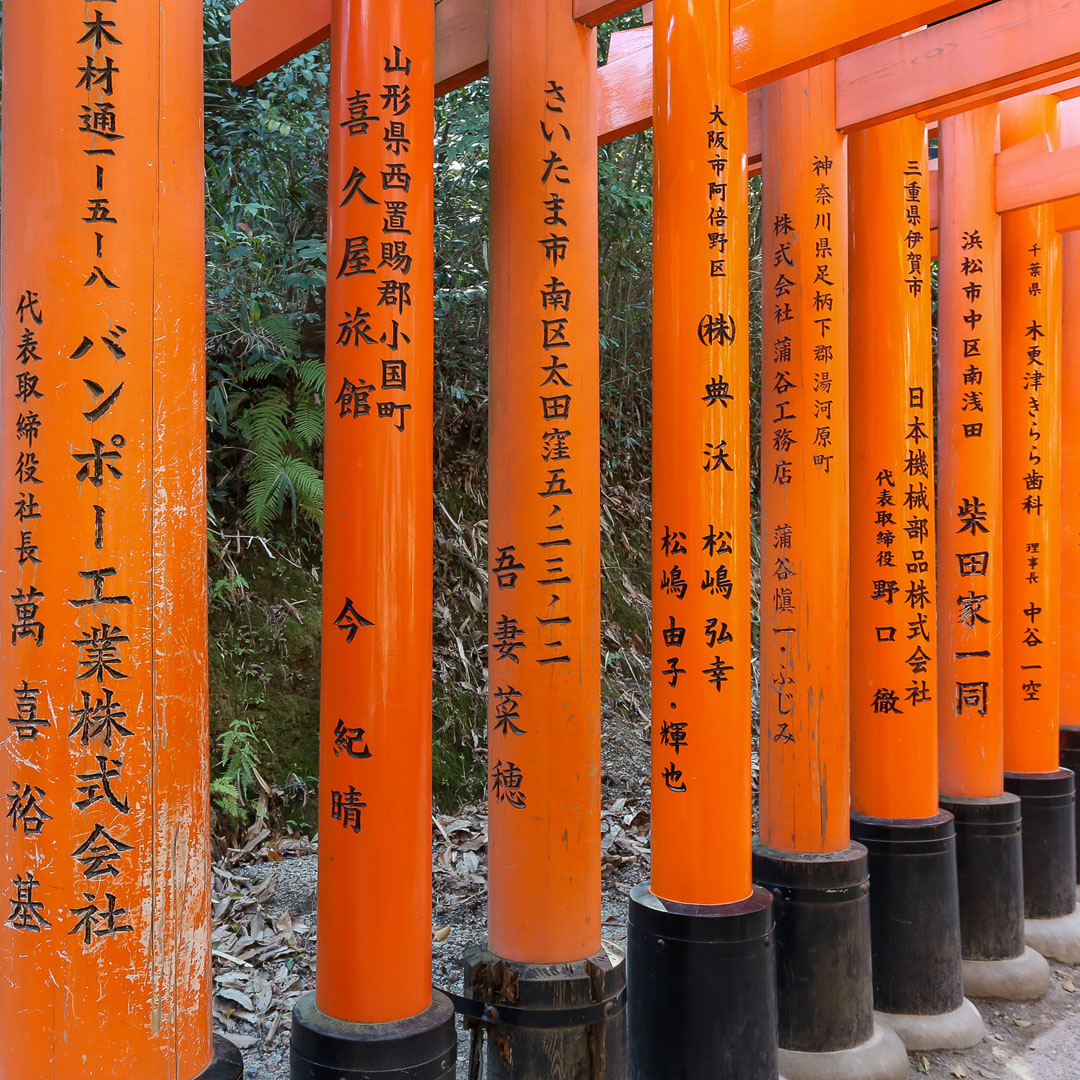
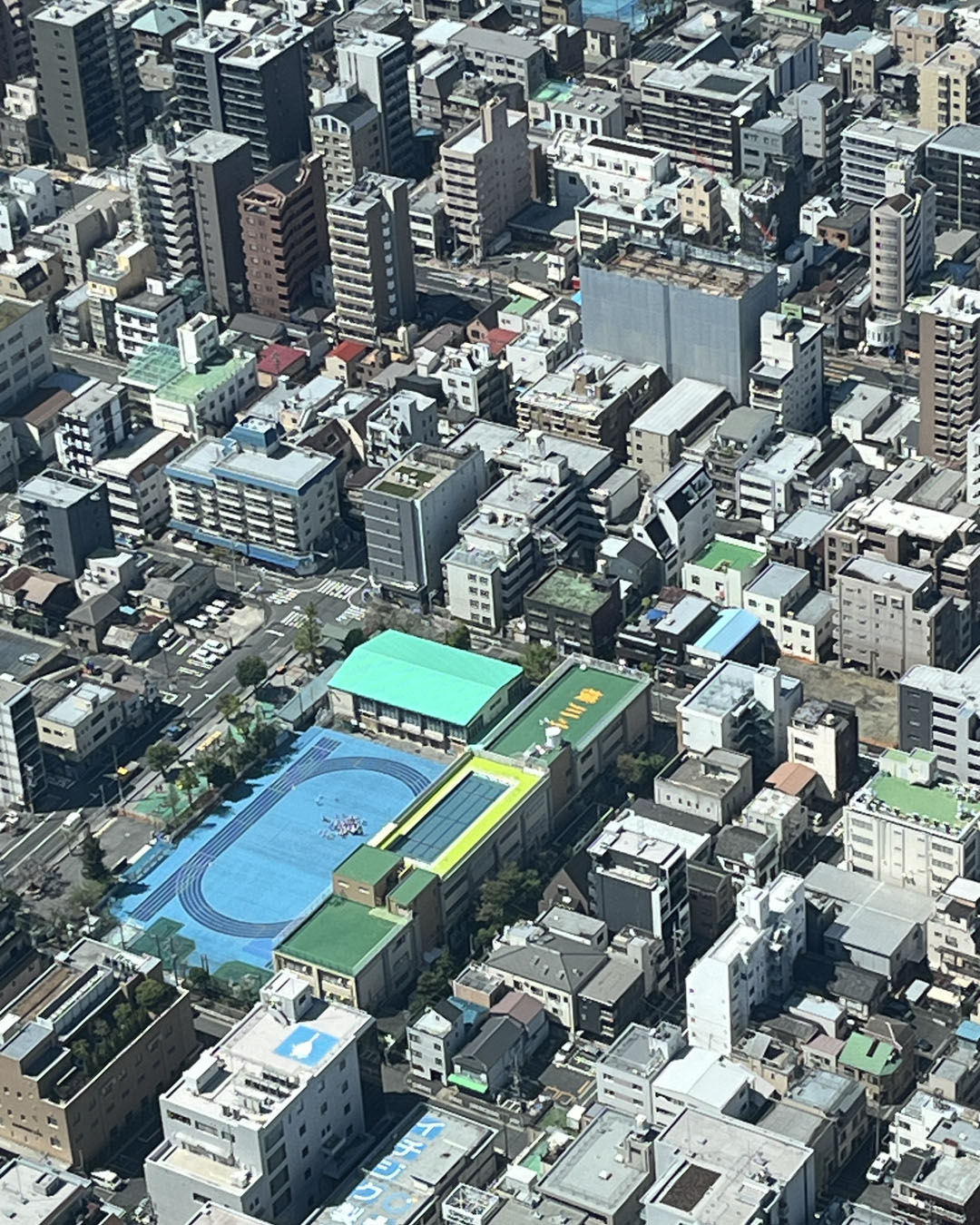
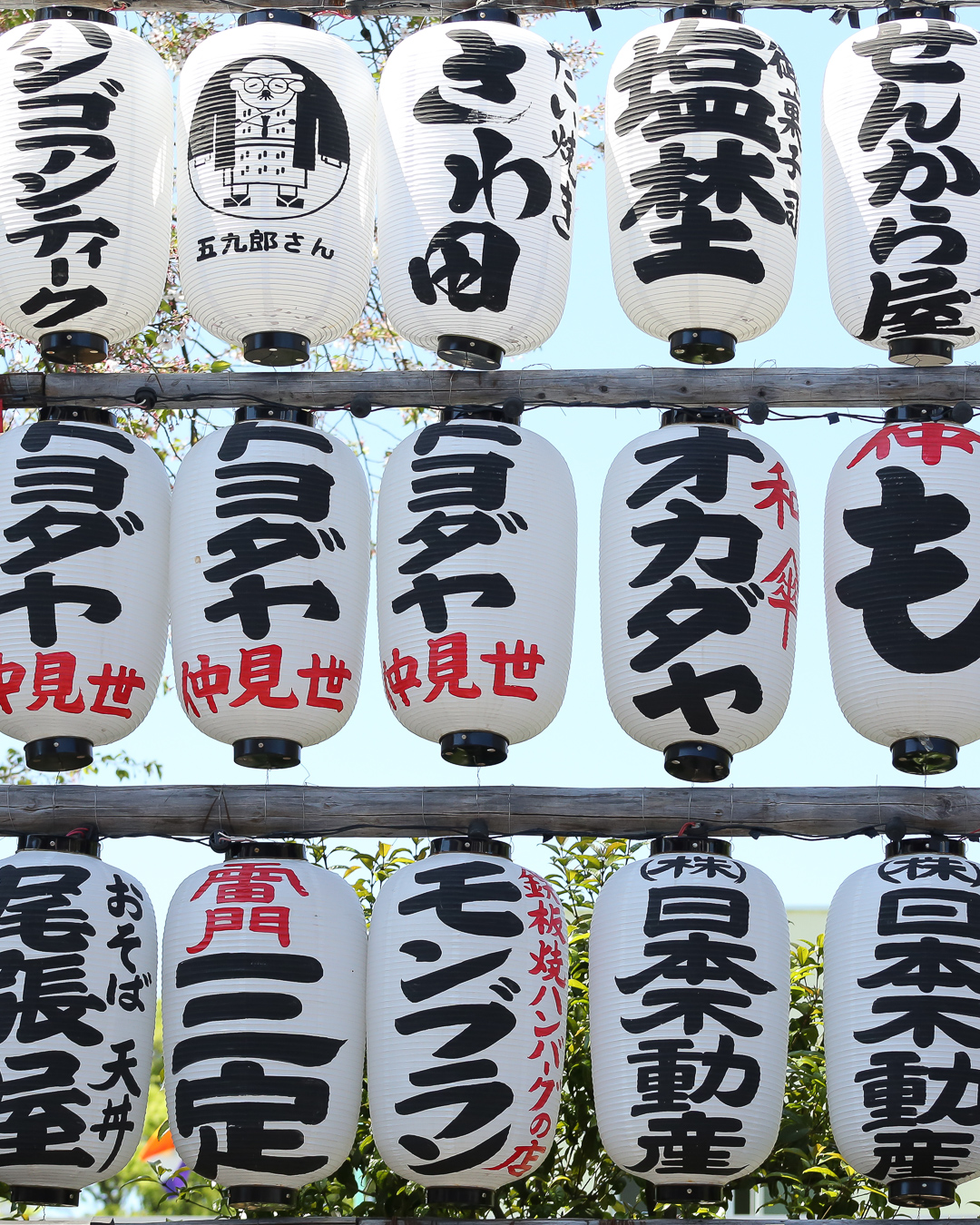
as well as heated toilet seats, cherry blossom kit kats, eating with chopsticks, the beautifully designed packaging, the presentation of food and the Japanese sense of humour. The Japanese people were so gracious and polite and I never once felt like I wasn’t welcome. It did make me reflect upon how foreigners feel when they come to the UK.
Since getting back from Japan, I haven’t had time to properly process the trip. I went straight back into teaching, GCSE exam pressures, and preparing work for upcoming shows. It’s been a difficult shift—going from that level of stimulation back into routine.
I don’t know yet how this exposure to such a different culture will show up in my artwork. I know that everything I do is a slow burn and things take a while to come to the surface, but I’m looking forward to seeing what comes out of that when I finally have the time to sit with it properly, look at my photographs and reflect properly on what was a brilliant experience.